
Quick answer
Bodyweight leg exercises work best when you choose a manageable variation and make it harder over time. This list includes BODY_ONLY, PULL_UP_BAR, and PARALLEL_BARS exercises at all levels; bodyweight does not always mean no equipment.
Build your session around a squat, a split squat, a hinge, and a calf raise. These patterns cover more of the lower body than a long squat challenge. Start with two feet on the ground, then use single-leg variations when ordinary repetitions stop being challenging.
Why bodyweight leg exercises work
Your legs are used to moving your body every day, so a basic squat may become easy quickly. Working one leg at a time increases the demand without requiring a barbell. Keep knee-dominant work for the quads, hip-dominant work for the glutes and hamstrings, and direct calf work rather than assuming one pattern covers everything.
Top picks and coaching cues
Bodyweight Squat
Keep your whole foot in contact with the floor and let your knees follow your toes. Lower to a depth you can repeat without falling backward. Stand without bouncing out of the bottom.
Split Squat
Set your feet on separate tracks rather than a tightrope. Lower mostly straight down and push through the front foot. Use light support when balance is the limiting factor.
Single-Leg Romanian Deadlift
Reach one leg back as your torso tips forward. Keep a soft standing knee and a level pelvis. Use support so the movement trains your hinge instead of just your balance.
Calf Raise
Rise through the ball of your foot, pause, and lower under control. Keep pressure spread across the forefoot. Move to one leg when two-leg repetitions are no longer difficult.
More legs exercises: most popular first
This live library includes all levels and movement categories. Use the cues above to select strength work; mobility and stretching entries serve a different purpose.
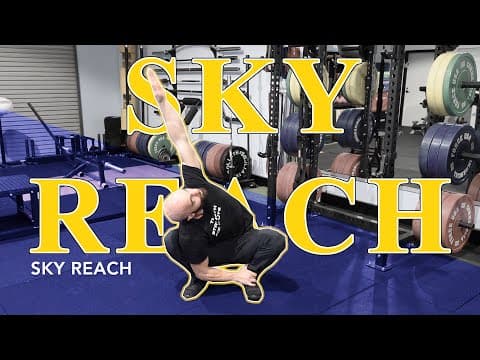
Squat (Sky Reach)
Targets: Quadriceps, Glutes
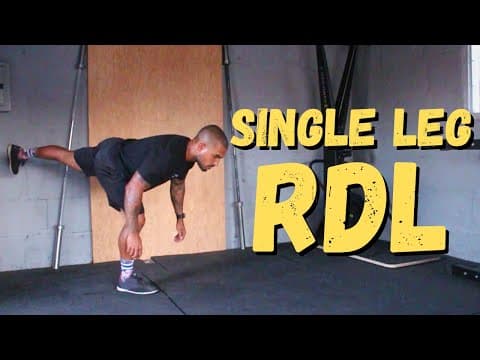
Deadlift (Single-Leg Romanian)
Targets: Hamstrings, Glutes
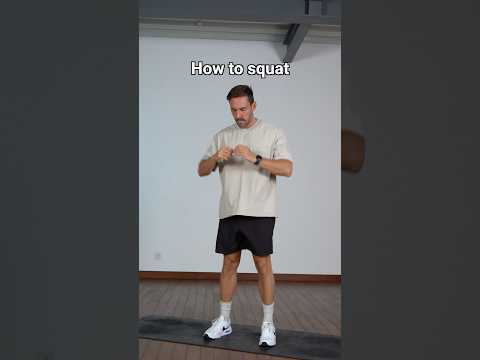
Bodyweight Squat
Targets: Quadriceps
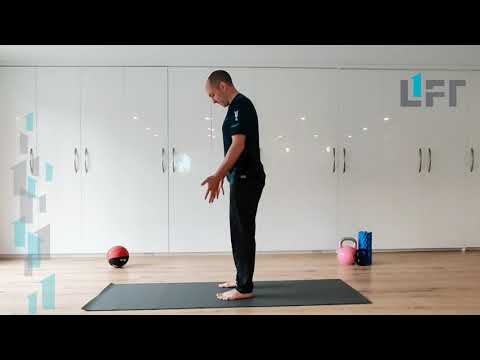
Deadlift (Romanian)
Targets: Hamstrings
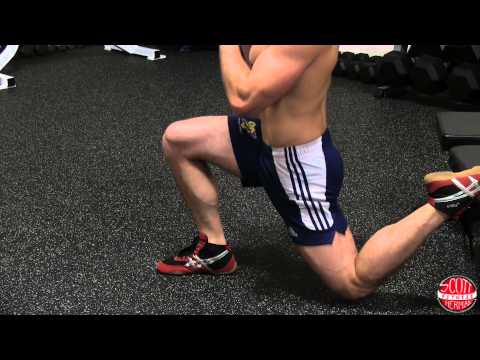
Split Squat (Bulgarian)
Targets: Quadriceps, Glutes
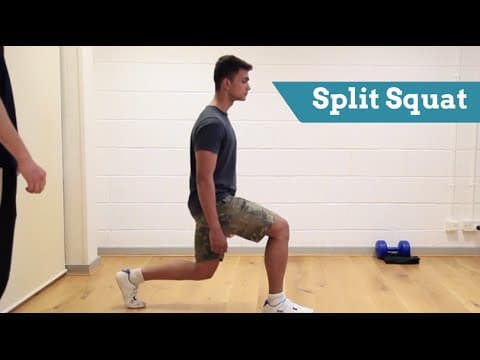
Split Squat
Targets: Quadriceps, Glutes
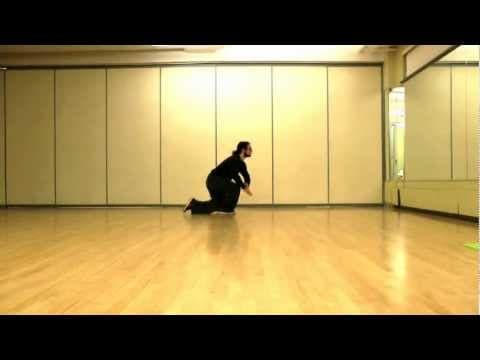
Shrimp Squat (Beginner)
Targets: Quadriceps, Glutes
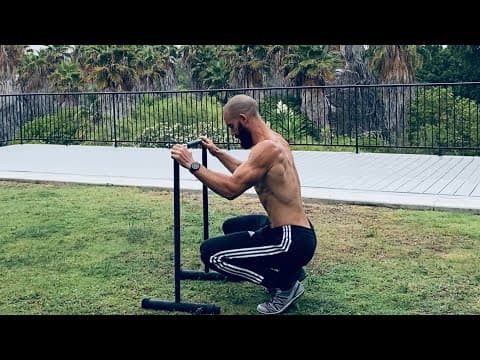
Squat (Assisted)
Targets: Quadriceps
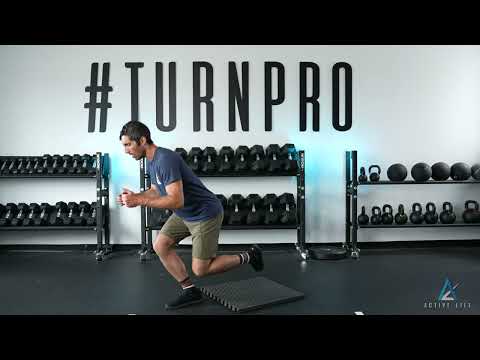
Shrimp Squat (Intermediate)
Targets: Quadriceps, Glutes
Arch Raise
Targets: Lower Back, Glutes
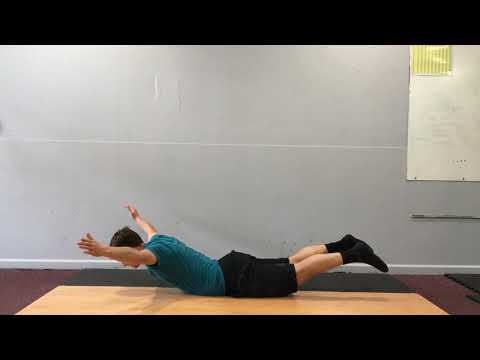
Arch Body Hold (Prone)
Targets: Lower Back, Glutes
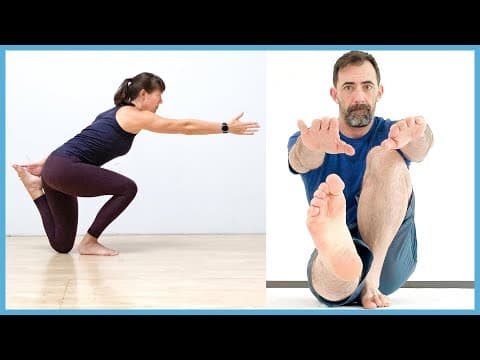
Shrimp Squat (Advanced)
Targets: Quadriceps, Glutes
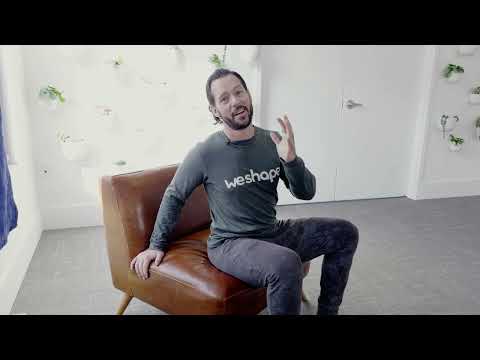
Reverse Plank
Targets: Glutes, Hamstrings
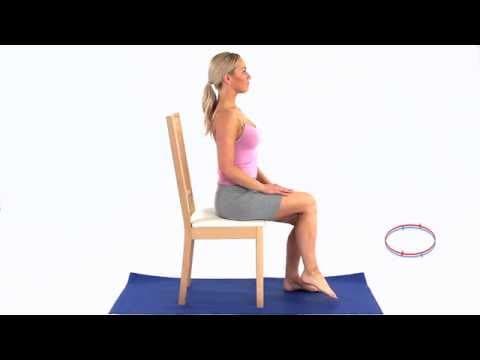
Ankle Circle
Targets: Calves
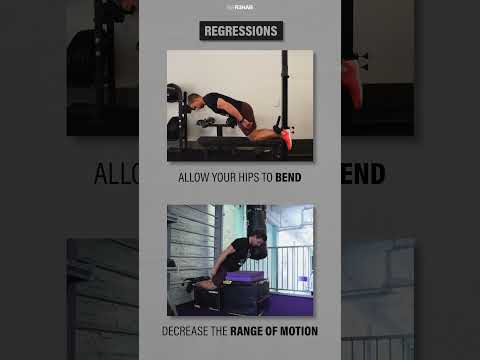
Nordic Hamstring Curl
Targets: Hamstrings
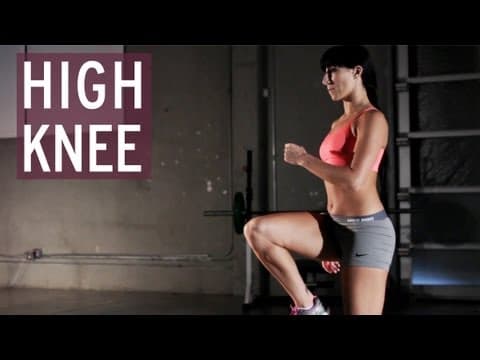
High Knees
Targets: Quadriceps, Calves
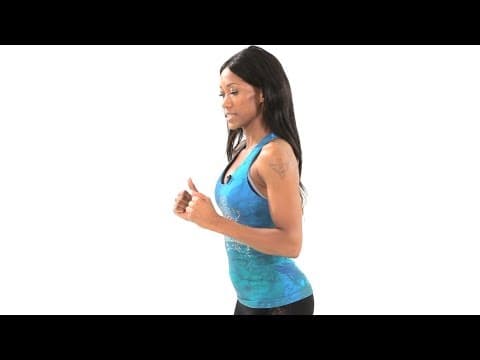
Butt Kick
Targets: Hamstrings, Glutes
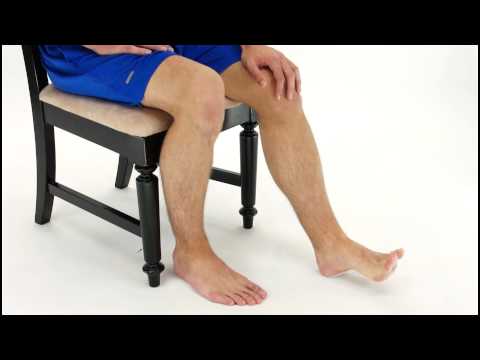
Toe Flexion and Extension
Targets: Calves
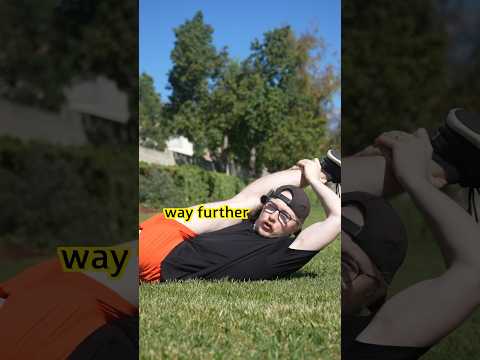
Hamstring Stretch (Supine)
Targets: Hamstrings
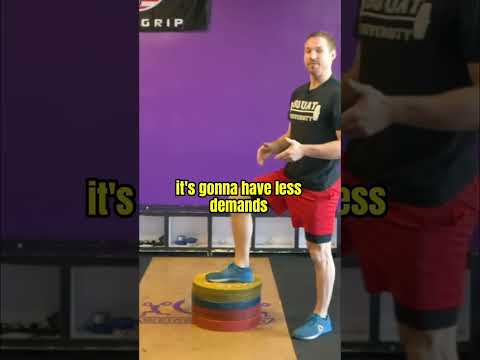
Pistol Squat
Targets: Quadriceps, Glutes
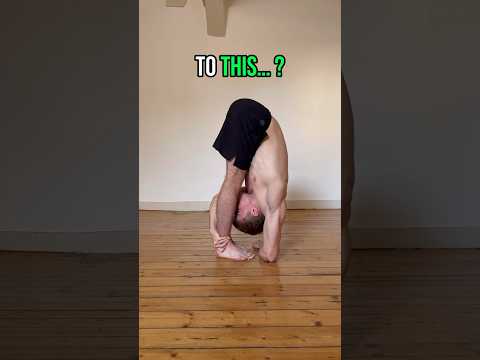
Pike Stretch
Targets: Hamstrings
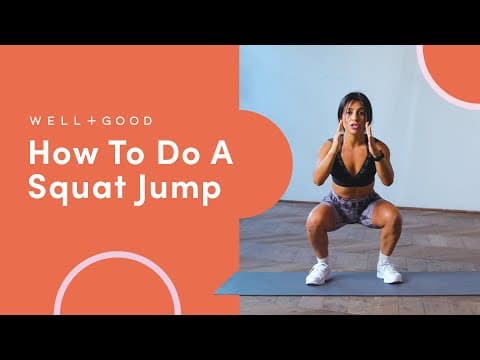
Squat Jump
Targets: Quadriceps, Glutes
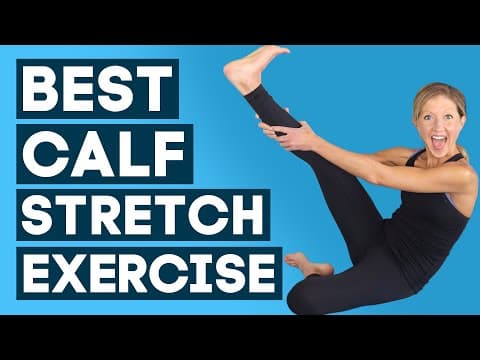
Calf Stretch - Stair
Targets: Calves
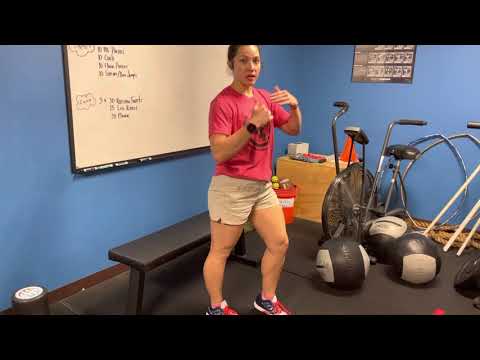
Pistol Squat (Partial ROM)
Targets: Quadriceps, Glutes
Bodyweight leg workout: sets and progression
Use 2–3 sets of 6–12 controlled repetitions for your main movements. For lighter work, 10–15 repetitions can be practical; for holds, start with 10–30 seconds while keeping the position steady.
Train these movements twice a week with a rest day between sessions. Fit them into your existing plan rather than adding a second full workout for the same muscles.
Track each leg separately and begin with the less capable side. Match its repetitions on the other side rather than using extra strong-side reps to hide an uneven workload.
Start with two sets of two selected strength exercises. Keep most sets two or three clean repetitions short of failure. Add a set only when your existing work is consistent and you recover before the next session.
Use double progression: add repetitions inside your chosen range, then move one step harder and return to the lower end. Change one variable at a time so you know whether the new setup is actually harder.
Warm up for five minutes with easy movement, then spend five to ten minutes rehearsing easier versions. Put demanding strength work first, rest two to five minutes between hard sets, and use sixty to ninety seconds for lighter accessories.
Every three or four weeks, use the same movements with easier variations and roughly twenty percent fewer repetitions. Keep a short log of the setup, sets, repetitions, and effort so the next training block starts from evidence.
Common mistakes
- Treating every exercise in the legs grid as a required part of one session. Pick movements that cover different jobs; the full list is a library of alternatives, not a checklist.
- Making repetitions easier as you tire by shortening the range or changing the setup. End the set when you cannot keep the movement comparable to your first repetition.
- Chasing failure on every set. Leave two or three repetitions in reserve so you can repeat useful work in your next session instead of spending it recovering.
Frequently asked questions
Can I build legs without weights?
Yes, especially while progressing from squats to harder unilateral variations. There is a practical limit: balance and very long sets can become the main challenge. At that point, external load is an option, not evidence that your earlier bodyweight training was wasted.
How often should I train my legs?
Twice a week is a practical starting point. Keep a rest day between demanding sessions and count work from your other workouts. A schedule you can repeat for the first four weeks is more useful than an ambitious daily routine.
How many weekly sets should I start with?
About four hard sets per muscle per week can be enough to begin making progress. Five to ten is an efficient working range for many people. Add volume gradually; eleven to eighteen sets can help, but more is not automatically better.
When should I choose a harder variation?
When every set reaches the top of your repetition range with the same range of motion and two or three reps left, try the next step. Return to the lower end of the range and build up again.
Should I do every exercise in the grid?
No. The catalog includes different levels, goals, and sometimes mobility drills. Use the coached picks to build your session and browse the grid for alternatives. A stretch or an easy warm-up does not count as a hard strength set.
Track your next session in Fitloop
Fitloop is free. Save your exercise choices and log your repetitions so you know what to repeat or progress next time.