
Quick answer
A calisthenics leg workout should include a squat pattern, a hip hinge, and calf work, with single-leg variations providing the next step when basic squats become easy. Use the beginner table to establish controlled repetitions. Move to the intermediate table when the easier patterns no longer challenge you inside the suggested ranges.
Leg training does not have to mean hundreds of fast squats. Your quads, hamstrings, glutes, and calves do different jobs, so spread the session across those tasks. Repeat the workout twice a week, leave two or three repetitions in reserve, and use light balance support when it lets the working leg do more consistent work.
Calisthenics leg workout: the sessions
Beginner (no equipment / bar only): floor space and optional stable hand support. Intermediate: a low rear-foot support and secure ankle anchor. Sets marked per side are completed on both legs; keep the rest long enough to preserve control.
Spend five minutes on easy general movement, then five to ten minutes rehearsing easier versions of the session movements. The table begins after that preparation. Put the demanding strength work first, and keep the entire session within sixty minutes. If time is tight, reduce accessory work before cutting every rest period short.
| Exercise | Sets | Reps / hold | Rest | RIR |
|---|---|---|---|---|
| Bodyweight Squat | 3 | 8–15 | 2–3 min | 2–3 |
| Split Squat | 2 / side | 6–12 | 2–3 min | 2–3 |
| Single-Leg Romanian Deadlift | 3 / side | 8–12 | 2 min | 2–3 |
| Glute Bridge | 2 | 10–15 | 60–90 s | 2–3 |
| Calf Raise | 2 | 12–20 | 60–90 s | 2–3 |
| Exercise | Sets | Reps / hold | Rest | RIR |
|---|---|---|---|---|
| Bulgarian Split Squat | 3 / side | 6–12 | 2–3 min | 2–3 |
| Nordic Hamstring Curl | 2 | 3–5 scaled | 3 min | 2–3 controlled reps |
| Bodyweight Squat | 2 | 12–20 | 2 min | 2–3 |
| Single-Leg Romanian Deadlift | 3 / side | 8–12 | 2 min | 2–3 |
| Single-Leg Calf Raise | 3 / side | 10–15 | 60–90 s | 2–3 |
RIR means repetitions in reserve. Choose the table that matches your current control; do not complete both sessions back to back. Rest is between sets, and ranges are targets rather than a reason to force poor repetitions.
Why these exercises
Bodyweight squats establish a repeatable knee-bending pattern. Keep the whole foot grounded and lower through a range you can control. Your knees can travel forward naturally as you squat; forcing them to remain behind the toes can make the movement awkward. Choose a consistent depth before adding repetitions, and do not count bouncing as a new source of strength.
Split squats increase the demand on one leg without requiring a pistol squat. Keep your feet on separate tracks and lower between them. Light hand support is useful when balance interrupts the set. In the intermediate table, rear-foot elevation adds a different setup, but it is optional: a demanding ordinary split squat can stay in your plan.
The single-leg Romanian deadlift adds a hip hinge. Keep the standing knee soft and move your hips backward while the free leg reaches behind you. If balance ends every set, use fingertip support and shorten the range. Bodyweight hinges may eventually become too easy, so the intermediate session adds a scaled Nordic curl for a more demanding knee-flexion task.
Bridges give the beginner session a simple hip-extension movement, while calf raises provide direct ankle work. Single-leg calf raises make a useful intermediate step once two-leg raises become easy. Use a controlled lower and a brief pause instead of bouncing. The Nordic curl needs a secure ankle anchor and a manageable descent; bodyweight does not mean beginner-level difficulty.
How to progress
For quads and glutes, progress from assisted squats to squats, split squats, then rear-foot-elevated split squats or a supported pistol progression. For calves, move from two legs to one. For hamstrings, establish the hinge and introduce a short-range Nordic descent with a secure anchor before trying longer lowers. Progress each pattern independently.
The beginner table gives each quad five hard sets per session, or ten per week. Hamstring loading depends on how demanding the hinge is; the intermediate curl adds a clearer knee-flexion challenge. Calves begin at four weekly sets and rise to six. Ten to eighteen is a possible growth budget for a priority muscle, not a requirement to assign every leg muscle eighteen sets immediately.
Use a repetition range instead of a fixed number you must hit at any cost. If your target is six to twelve, begin with a variation that allows at least six controlled reps while leaving two or three in reserve. Add a rep to one or more sets over time. When every set reaches twelve with the same technique, move one rung harder and start lower in the range.
Aim toward ten to eighteen hard sets per priority muscle each week only when you can recover from them. About four can be enough to begin making progress, and five to ten is an efficient starting range. Eleven to eighteen can add stimulus, but returns diminish near twenty. Count indirect work as roughly half a set: push-ups contribute to triceps, and rows or pull-ups contribute to biceps.
Place your sessions on two repeatable days, such as Monday and Thursday. Going from once to twice a week is a useful first change; adding a third or fourth day is not automatically better. Start with less work if the full table is too much: use two sets for the main exercises and keep the supporting movements easy. Build toward the listed amount rather than forcing it on day one.
Every three or four weeks, take a lighter week with the same exercises, easier variations, and about twenty percent fewer repetitions. Resume from a workload you can repeat. If performance drops across several sessions, review your total weekly training before adding more. A log should record the variation, repetitions, range, and estimated effort, not just whether you completed the workout.
Common mistakes
- Doing only squats and calling every leg muscle covered. Keep a hinge, a knee-flexion progression when available, and direct calf work alongside your knee-dominant exercises.
- Rushing toward pistols while balance ends the set. A supported split squat can load the working leg more consistently than an uncontrolled single-leg squat attempt.
- Bouncing through calf raises. Pause briefly and control the descent so the ankle movement stays comparable from repetition to repetition.
- Using a loose Nordic anchor. Skip the curl until the setup can securely hold your ankles; continue with controlled hinge and bridge work rather than improvising an unreliable restraint.
- Adding repetitions only to your stronger side. Begin with the less capable leg, then match its controlled workload on the other side so your log reflects comparable training.
More exercises
Browse popular options from the same muscle group, including floor, bar, parallel-bar, and ring movements. The catalog also includes mobility and stretching; use those for preparation, not as replacements for hard strength sets.
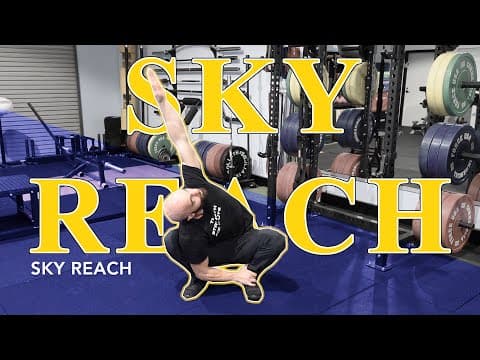
Squat (Sky Reach)
Targets: Quadriceps, Glutes
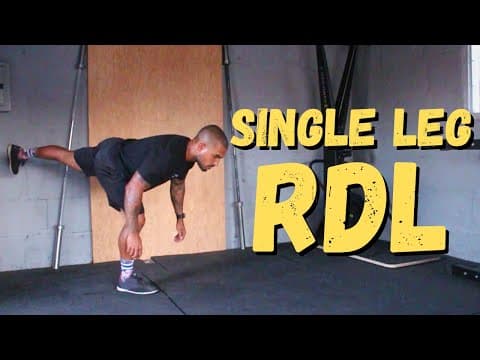
Deadlift (Single-Leg Romanian)
Targets: Hamstrings, Glutes
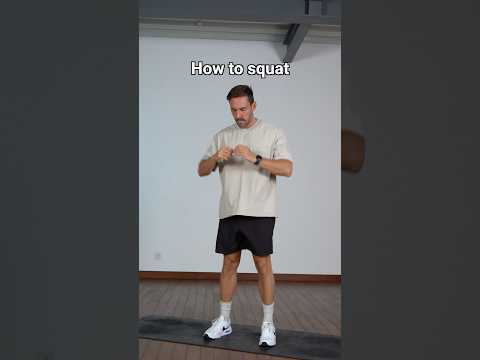
Bodyweight Squat
Targets: Quadriceps
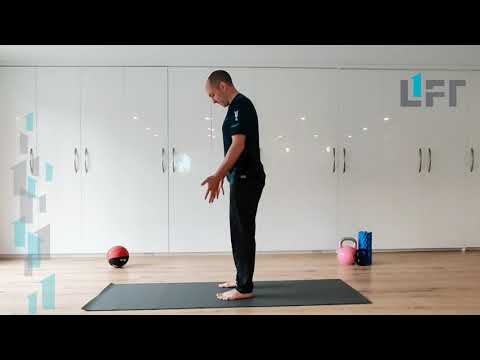
Deadlift (Romanian)
Targets: Hamstrings
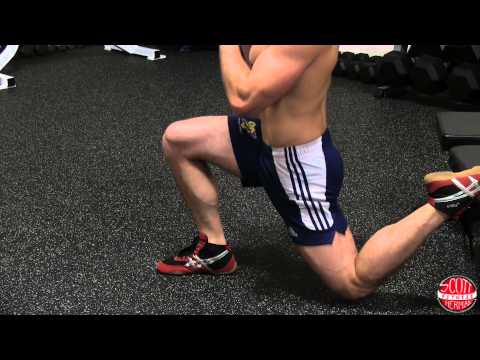
Split Squat (Bulgarian)
Targets: Quadriceps, Glutes
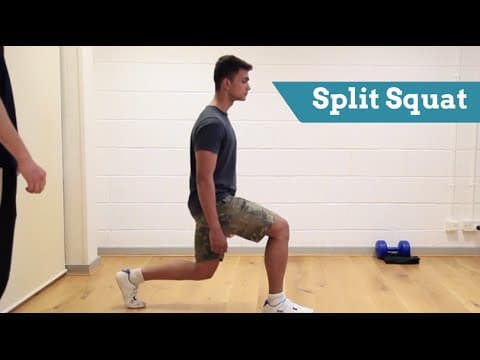
Split Squat
Targets: Quadriceps, Glutes
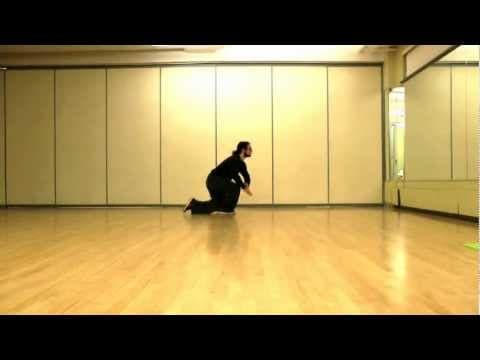
Shrimp Squat (Beginner)
Targets: Quadriceps, Glutes
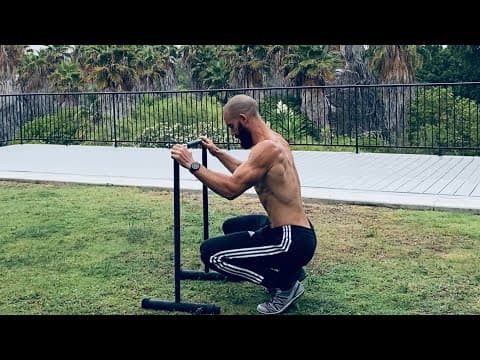
Squat (Assisted)
Targets: Quadriceps
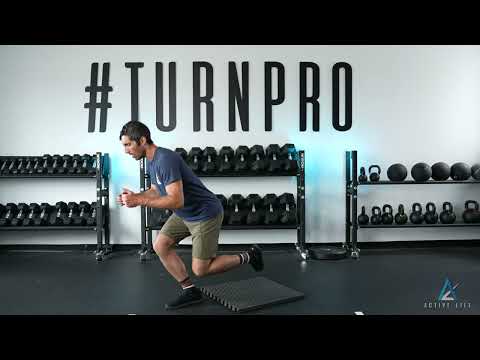
Shrimp Squat (Intermediate)
Targets: Quadriceps, Glutes
Arch Raise
Targets: Lower Back, Glutes
Frequently asked questions
Can you build big legs with calisthenics?
You can build leg muscle with challenging squats, split squats, hinges, and curls. Progressively harder single-leg work helps keep the load meaningful. Eventually some people find external load more practical than balancing or doing very long sets; that is a useful option rather than a failure of bodyweight training.
Do I need a pull-up bar for legs?
No. The beginner session uses floor space and optional balance support. The intermediate version uses a stable rear-foot support and a secure Nordic ankle anchor. The equipment labels in the exercise catalog do not remove the need for a safe physical setup.
Are squats enough for hamstrings?
Squats do not replace the knee-flexion task of a curl. Use a hip hinge and add an appropriately scaled Nordic progression when you have a secure anchor. If you are just starting, learn the beginner hinge and bridge first rather than forcing a full Nordic repetition.
How many times a week should I do this workout?
Start with twice a week, with a rest day between sessions. Include the same muscles trained in your other workouts when counting volume. Two sessions that fit your actual schedule are more useful than planning six days and abandoning the plan after the first week.
Should every set reach failure?
No. Stop most sets with two or three clean repetitions left. Training to failure is not required for strength progress and adds recovery cost. For timed holds or controlled negatives, use loss of position or descent control as the limit rather than forcing an arbitrary number.
How long should a session take?
Keep the session within sixty minutes, including preparation. Take two to five minutes between hard strength sets and sixty to ninety seconds for lighter accessories. If the session runs long, remove a supporting set or reduce the starting workload instead of rushing every rest period.
What should I do if I miss a session?
Resume at the next sensible opportunity rather than cramming two full workouts together. Keep a manageable two-session rhythm over the following week. During the first twenty-eight days, making the routine easy to repeat matters more than a perfect calendar or a dramatic jump in volume.
Track your workout in Fitloop
Fitloop is free. Record your chosen variations, sets, and repetitions so you can repeat a productive session and see when the next progression is appropriate.