
Quick answer
Bodyweight tricep exercises work best when you choose a manageable variation and make it harder over time. This list includes BODY_ONLY, PULL_UP_BAR, and PARALLEL_BARS exercises at all levels; bodyweight does not always mean no equipment.
Start with close-grip pressing, then add bodyweight elbow extensions or parallel-bar dips if you can control them. Your hands do not need to touch in a diamond. A comfortable grip and repeatable range matter more than copying a narrow hand shape that makes your wrists uncomfortable.
Why bodyweight tricep exercises work
The triceps straighten your elbows in push-ups, dips, and overhead pressing. You can make the work more direct with an elbow-extension movement, or share it with chest and shoulders during presses. Count ordinary push-up sets as about half a triceps set when planning the week so indirect work is not forgotten.
Top picks and coaching cues
Incline Close-Grip Push-Up
Use a stable raised surface and place your hands comfortably inside shoulder width. Keep your trunk firm and lower as one unit. Raise the surface further if you cannot press smoothly.
Close Push-Up
Keep your elbows tracking back without squeezing them against your ribs. Maintain the same body line throughout. Choose an incline version if the last repetitions turn into a lower-back bend.
Plank To Push-Up
Start from the forearm-supported position shown in the demonstration. Extend your elbows without throwing your hips upward. Use an easier body angle when you cannot control the lowering.
Parallel Bar Dip
Begin in a stable support on fixed bars. Lower only through a range you can control, then press to the top. Avoid bouncing at the bottom or adding depth faster than strength.
More triceps exercises: most popular first
This live library includes all levels and movement categories. Use the cues above to select strength work; mobility and stretching entries serve a different purpose.
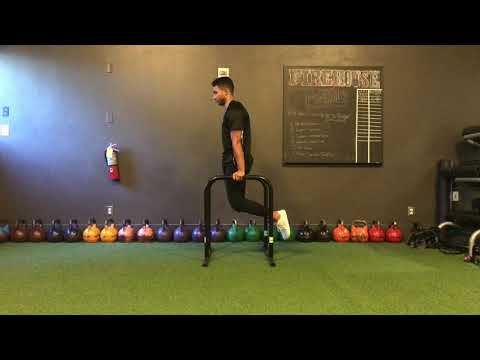
Parallel Bar Support Hold
Targets: Shoulders, Triceps
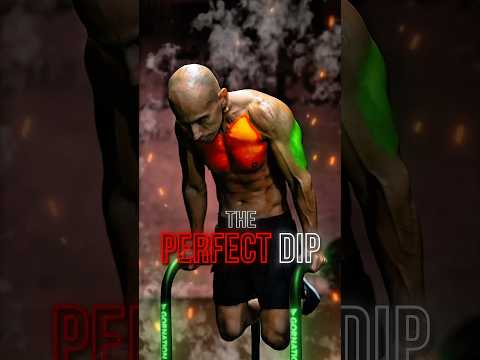
Dip (Parallel Bar)
Targets: Triceps
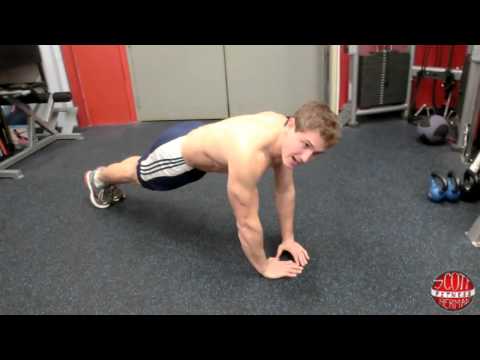
Push-Up (Diamond)
Targets: Chest, Triceps
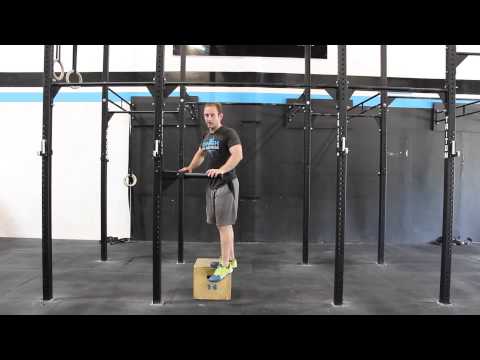
Dip (Negative)
Targets: Triceps
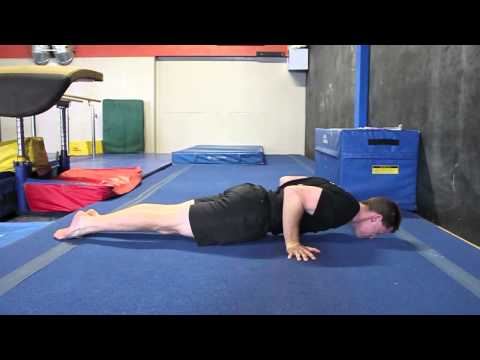
Planche Push-Up (Pseudo)
Targets: Chest, Shoulders
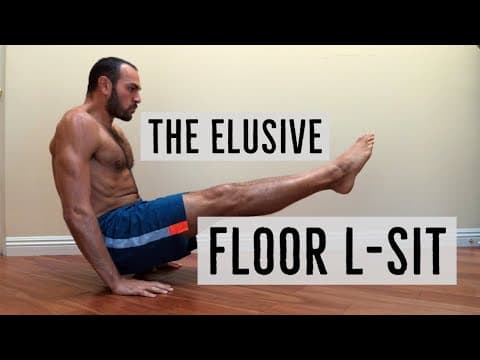
L-Sit Hold (Foot-Supported)
Targets: Abdominals, Triceps
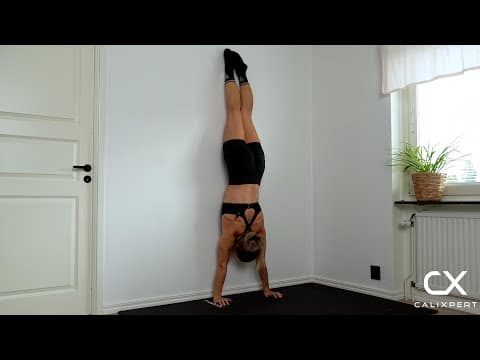
Handstand (Wall-Assisted)
Targets: Shoulders, Triceps
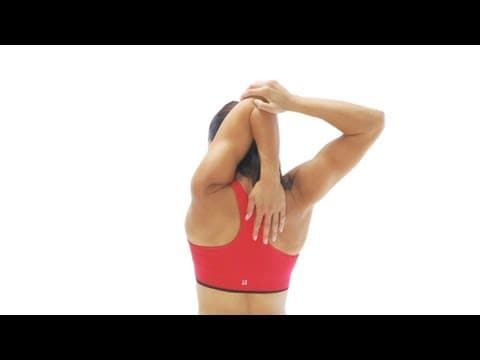
Triceps Stretch - Overhead
Targets: Triceps
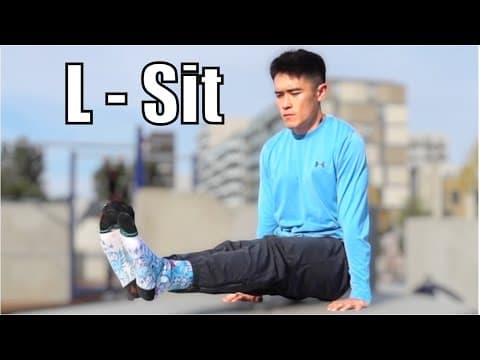
Tucked L-Sit
Targets: Abdominals, Triceps
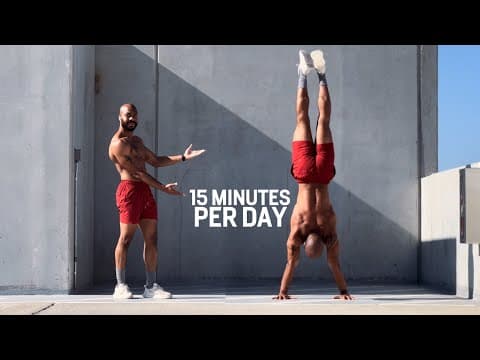
Handstand (Freestanding)
Targets: Shoulders, Triceps
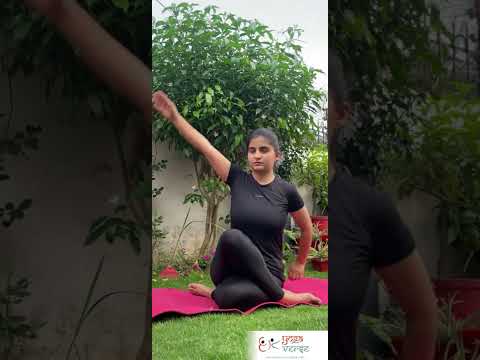
Cow Face Pose
Targets: Glutes, Shoulders
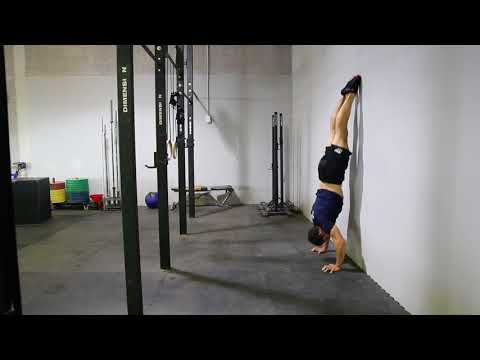
Headstand Push-Up (Wall-Assisted)
Targets: Shoulders, Triceps
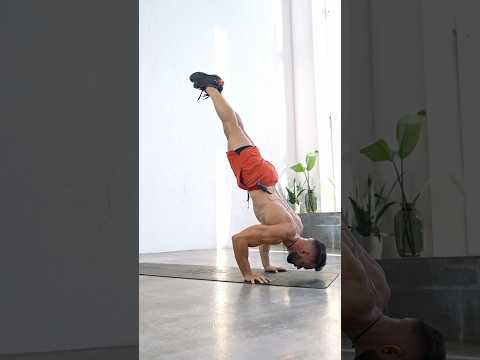
Push-Up (Pike Headstand)
Targets: Shoulders, Triceps
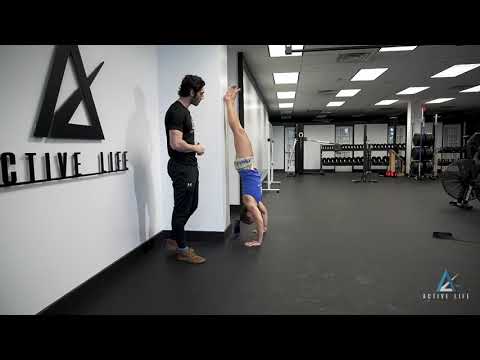
Handstand Push-Up (Wall Assisted, Eccentric)
Targets: Shoulders, Triceps
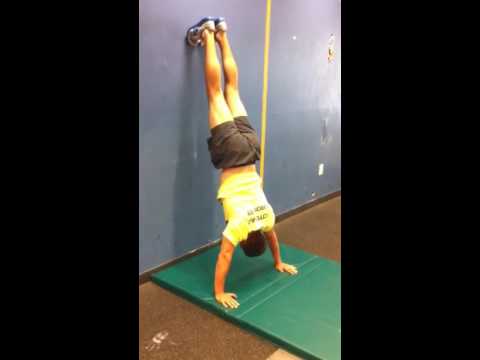
Headstand Push-Up Negative (Wall-Supported)
Targets: Shoulders, Triceps
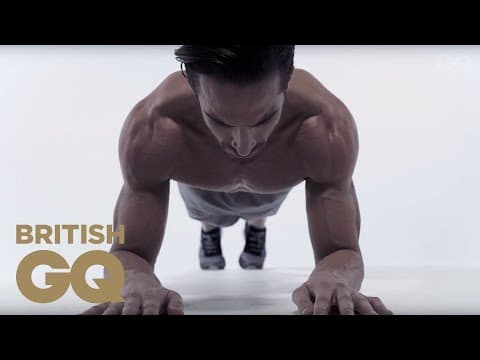
Plank to Push-Up
Targets: Triceps
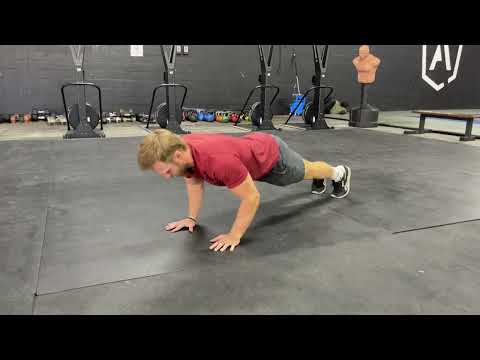
Push-Up (Close)
Targets: Triceps, Chest
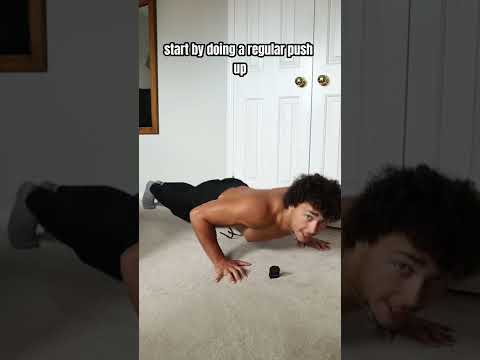
Archer Push-Up
Targets: Chest, Triceps
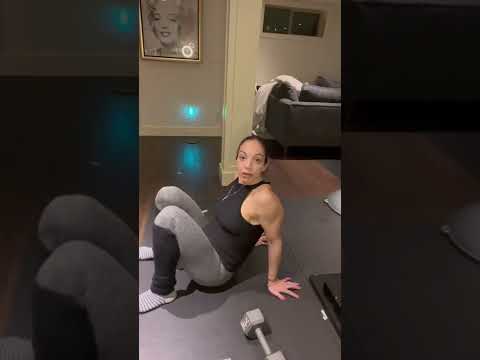
Crab Walk
Targets: Triceps, Shoulders
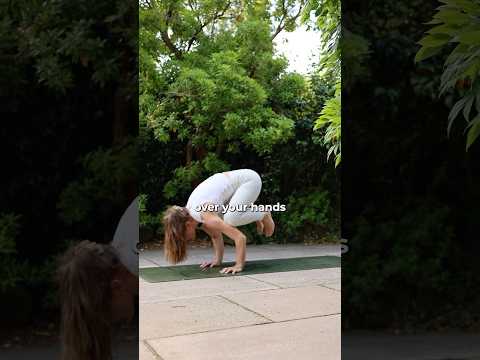
Crow Pose
Targets: Shoulders, Core
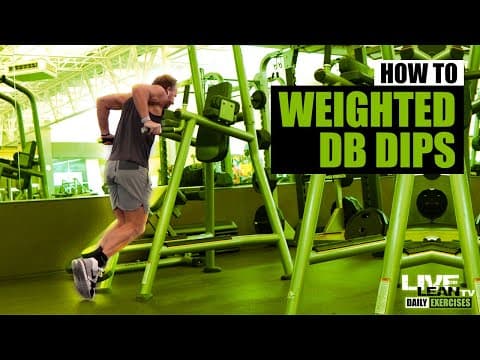
Dip (Parallel Bar, Weighted)
Targets: Triceps
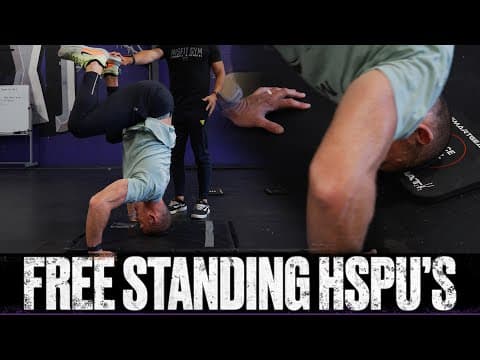
Headstand Push-Up (Freestanding)
Targets: Shoulders, Triceps
Pike Push-Up (Floor Regression)
Targets: Shoulders, Triceps
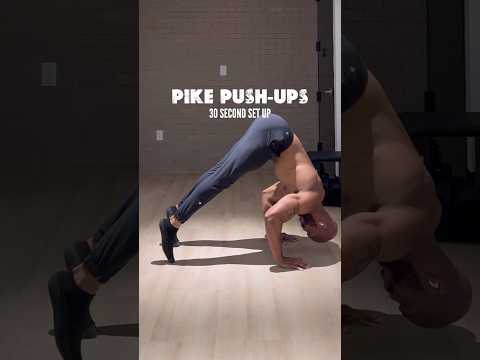
Pike Push Up Hold
Targets: Shoulders, Triceps
How to program your triceps training
Use 2–3 sets of 6–12 controlled repetitions for your main movements. For lighter work, 10–15 repetitions can be practical; for holds, start with 10–30 seconds while keeping the position steady.
Train these movements twice a week with a rest day between sessions. Fit them into your existing plan rather than adding a second full workout for the same muscles.
Keep dips and close-grip push-ups within the same weekly pressing budget. Replacing a press with a more triceps-focused option is often enough; you do not need to add a separate arm finisher every day.
Start with two sets of two selected strength exercises. Keep most sets two or three clean repetitions short of failure. Add a set only when your existing work is consistent and you recover before the next session.
Use double progression: add repetitions inside your chosen range, then move one step harder and return to the lower end. Change one variable at a time so you know whether the new setup is actually harder.
Warm up for five minutes with easy movement, then spend five to ten minutes rehearsing easier versions. Put demanding strength work first, rest two to five minutes between hard sets, and use sixty to ninety seconds for lighter accessories.
Every three or four weeks, use the same movements with easier variations and roughly twenty percent fewer repetitions. Keep a short log of the setup, sets, repetitions, and effort so the next training block starts from evidence.
Common mistakes
- Treating every exercise in the triceps grid as a required part of one session. Pick movements that cover different jobs; the full list is a library of alternatives, not a checklist.
- Making repetitions easier as you tire by shortening the range or changing the setup. End the set when you cannot keep the movement comparable to your first repetition.
- Chasing failure on every set. Leave two or three repetitions in reserve so you can repeat useful work in your next session instead of spending it recovering.
Frequently asked questions
Are dips required for bigger triceps?
No. Close-grip push-ups and scaled bodyweight extensions give you other ways to train elbow extension. Dips are an option when parallel bars are available and the movement is comfortable. Progress the option you can repeat consistently.
How often should I train my triceps?
Twice a week is a practical starting point. Keep a rest day between demanding sessions and count work from your other workouts. A schedule you can repeat for the first four weeks is more useful than an ambitious daily routine.
How many weekly sets should I start with?
About four hard sets per muscle per week can be enough to begin making progress. Five to ten is an efficient working range for many people. Add volume gradually; eleven to eighteen sets can help, but more is not automatically better.
When should I choose a harder variation?
When every set reaches the top of your repetition range with the same range of motion and two or three reps left, try the next step. Return to the lower end of the range and build up again.
Should I do every exercise in the grid?
No. The catalog includes different levels, goals, and sometimes mobility drills. Use the coached picks to build your session and browse the grid for alternatives. A stretch or an easy warm-up does not count as a hard strength set.
Track your next session in Fitloop
Fitloop is free. Save your exercise choices and log your repetitions so you know what to repeat or progress next time.