
Quick answer
Bodyweight hamstring exercises work best when you choose a manageable variation and make it harder over time. This list includes BODY_ONLY, PULL_UP_BAR, and PARALLEL_BARS exercises at all levels; bodyweight does not always mean no equipment.
Train both a hip hinge and a knee-bending pattern. A single-leg hinge teaches you to move at the hips, while a scaled Nordic curl makes knee flexion demanding. Stretching may help you explore a position, but it is not a replacement for strength work that becomes harder over time.
Why bodyweight hamstring exercises work
The hamstrings contribute to hip extension and knee flexion, so squats alone leave an incomplete training plan. Bodyweight hinges can become too easy before your hamstrings run out of potential. Use a longer lever or a controlled Nordic progression when that happens. Balance practice and muscle loading are related, but they are not the same goal.
Top picks and coaching cues
Single-Leg Romanian Deadlift
Soften the standing knee and send your hips backward. Keep both sides of your pelvis facing the floor. Use light fingertip support if balance interrupts the hinge before your hamstrings work.
Nordic Hamstring Curl
Use a secure ankle anchor and start with a short, controlled lowering range. Catch yourself with your hands. Do not attempt the full descent just because the exercise uses no weights.
Reverse Plank
Press your heels down and lift your hips until your trunk forms a long line. Avoid throwing your head backward. Stop when you can no longer maintain the hip position.
Glute Bridge March
Hold a bridge while lifting one foot a small distance. Keep your pelvis level and alternate slowly. This is a useful control exercise before harder single-leg work.
More hamstrings exercises: most popular first
This live library includes all levels and movement categories. Use the cues above to select strength work; mobility and stretching entries serve a different purpose.
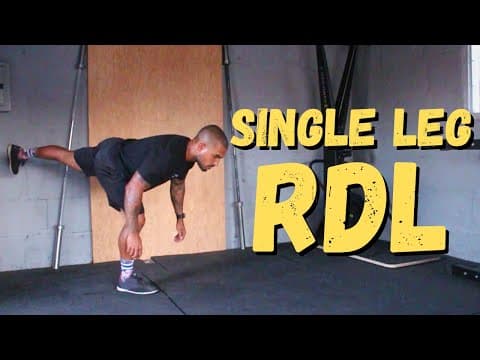
Deadlift (Single-Leg Romanian)
Targets: Hamstrings, Glutes
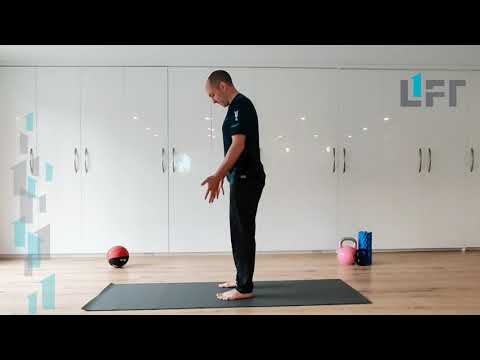
Deadlift (Romanian)
Targets: Hamstrings

Reverse Plank
Targets: Glutes, Hamstrings
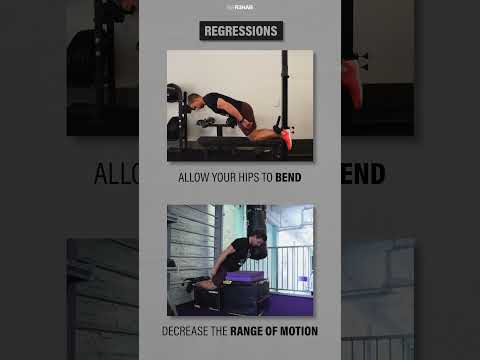
Nordic Hamstring Curl
Targets: Hamstrings
Butt Kick
Targets: Hamstrings, Glutes
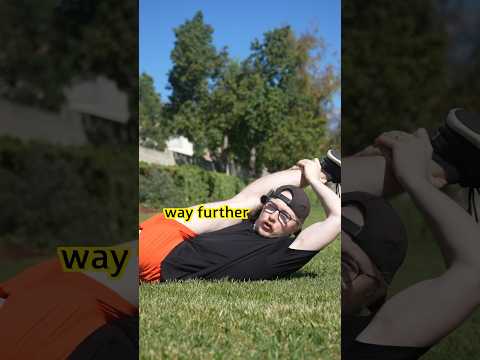
Hamstring Stretch (Supine)
Targets: Hamstrings
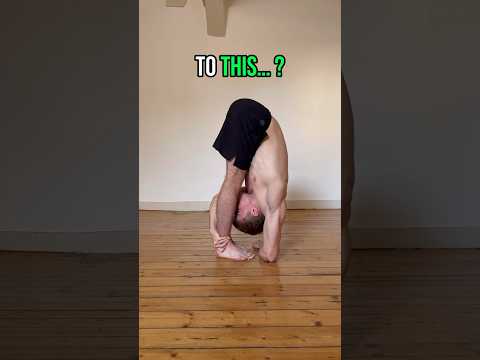
Pike Stretch
Targets: Hamstrings
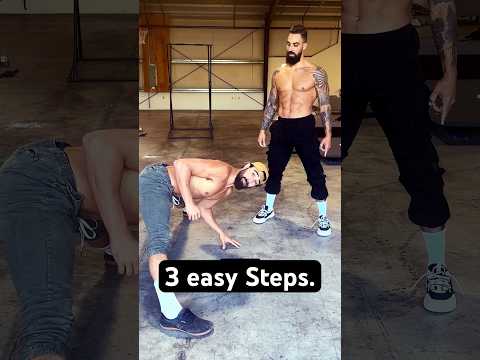
Pancake Stretch
Targets: Hamstrings, Lower Back
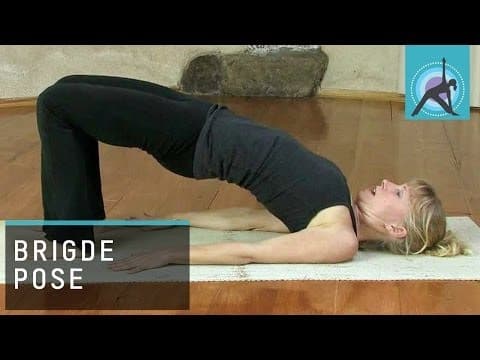
Bridge Pose
Targets: Glutes, Hamstrings
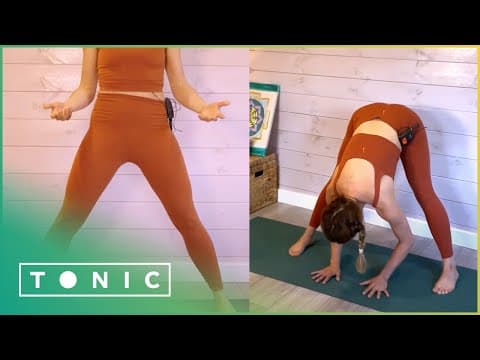
Wide-Legged Forward Fold
Targets: Hamstrings, Adductors
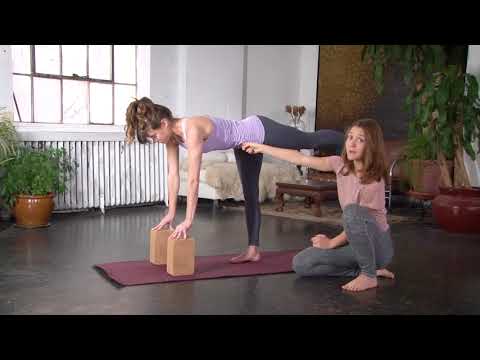
Warrior III
Targets: Glutes, Hamstrings
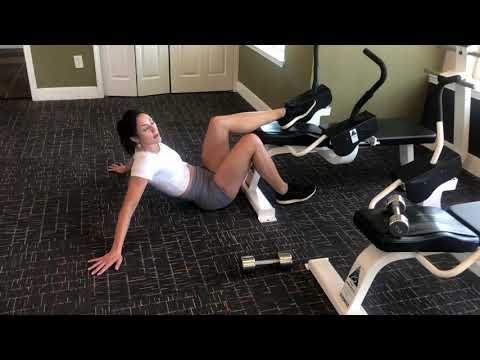
Glute Bridge (Incline)
Targets: Glutes, Hamstrings
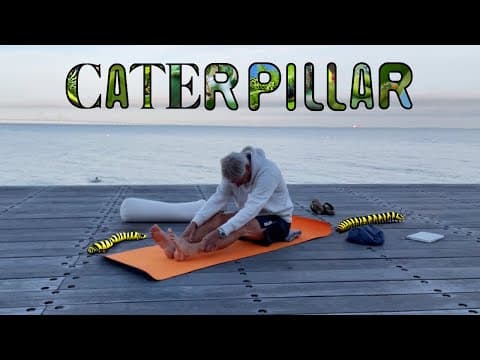
Caterpillar Pose
Targets: Hamstrings, Lower Back
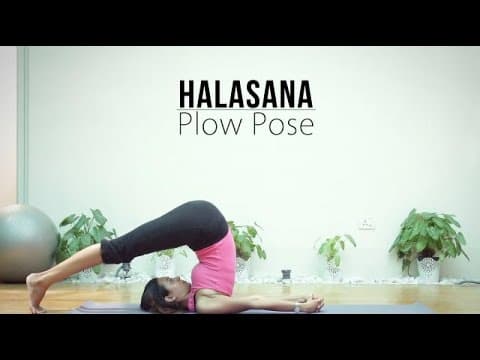
Plow Pose
Targets: Upper Back, Hamstrings
Hamstring Stretch (90/90)
Targets: Hamstrings
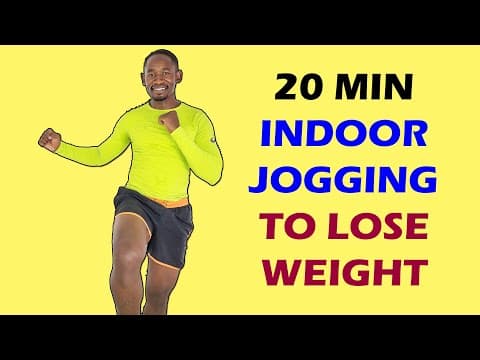
Jogging
Targets: Quadriceps, Hamstrings
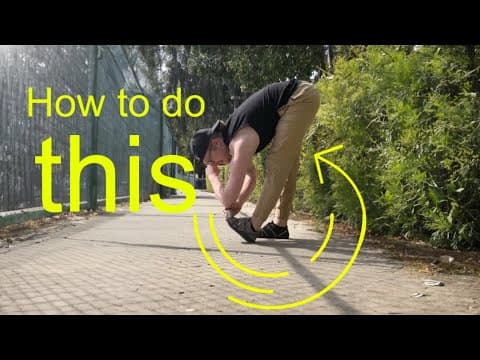
Toe Touch Stretch
Targets: Hamstrings, Lower Back
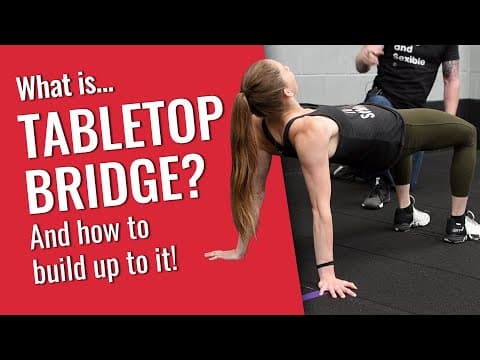
Tabletop Bridge
Targets: Glutes, Hamstrings
World's Greatest Stretch
Targets: Hamstrings, Hip Flexors
Running
Targets: Quadriceps, Hamstrings
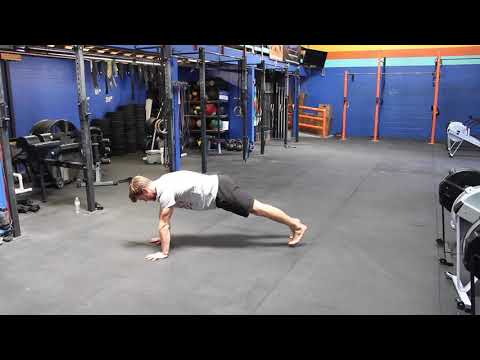
Inchworm
Targets: Hamstrings, Shoulders
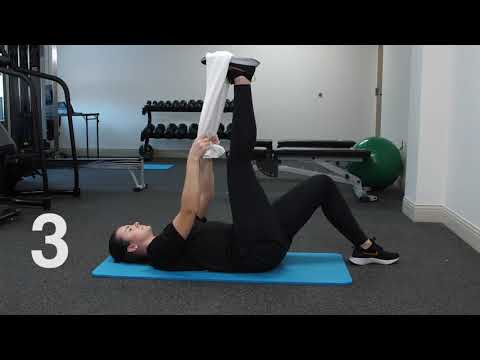
Hamstring Stretch (Lying)
Targets: Hamstrings
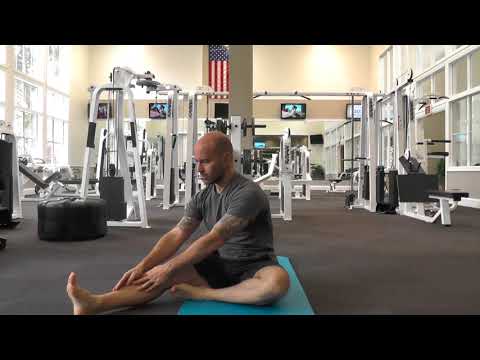
Hamstring Stretch (Seated, Single-Leg)
Targets: Hamstrings
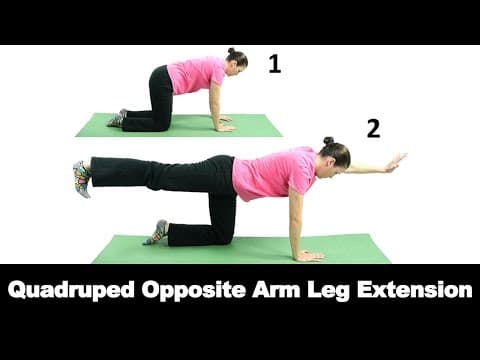
Straight Leg Raise (Quadruped)
Targets: Glutes, Hamstrings
How to program your hamstrings training
Use 2–3 sets of 6–12 controlled repetitions for your main movements. For lighter work, 10–15 repetitions can be practical; for holds, start with 10–30 seconds while keeping the position steady.
Train these movements twice a week with a rest day between sessions. Fit them into your existing plan rather than adding a second full workout for the same muscles.
Place Nordic practice before fatigue makes the descent unpredictable. Begin with a small number of controlled repetitions and allow a rest day before the next demanding hamstring session.
Start with two sets of two selected strength exercises. Keep most sets two or three clean repetitions short of failure. Add a set only when your existing work is consistent and you recover before the next session.
Use double progression: add repetitions inside your chosen range, then move one step harder and return to the lower end. Change one variable at a time so you know whether the new setup is actually harder.
Warm up for five minutes with easy movement, then spend five to ten minutes rehearsing easier versions. Put demanding strength work first, rest two to five minutes between hard sets, and use sixty to ninety seconds for lighter accessories.
Every three or four weeks, use the same movements with easier variations and roughly twenty percent fewer repetitions. Keep a short log of the setup, sets, repetitions, and effort so the next training block starts from evidence.
Common mistakes
- Treating every exercise in the hamstrings grid as a required part of one session. Pick movements that cover different jobs; the full list is a library of alternatives, not a checklist.
- Making repetitions easier as you tire by shortening the range or changing the setup. End the set when you cannot keep the movement comparable to your first repetition.
- Chasing failure on every set. Leave two or three repetitions in reserve so you can repeat useful work in your next session instead of spending it recovering.
Frequently asked questions
Are bodyweight squats enough for hamstrings?
They are useful leg training, but they do not cover the same task as a knee curl. Include a hinge and a scaled knee-flexion movement. If your only equipment is the floor, start with bridge variations while arranging a secure curl setup.
How often should I train my hamstrings?
Twice a week is a practical starting point. Keep a rest day between demanding sessions and count work from your other workouts. A schedule you can repeat for the first four weeks is more useful than an ambitious daily routine.
How many weekly sets should I start with?
About four hard sets per muscle per week can be enough to begin making progress. Five to ten is an efficient working range for many people. Add volume gradually; eleven to eighteen sets can help, but more is not automatically better.
When should I choose a harder variation?
When every set reaches the top of your repetition range with the same range of motion and two or three reps left, try the next step. Return to the lower end of the range and build up again.
Should I do every exercise in the grid?
No. The catalog includes different levels, goals, and sometimes mobility drills. Use the coached picks to build your session and browse the grid for alternatives. A stretch or an easy warm-up does not count as a hard strength set.
Track your next session in Fitloop
Fitloop is free. Save your exercise choices and log your repetitions so you know what to repeat or progress next time.