6 Best Strength Training Apps 2026: Tested & Ranked
Getting stronger requires progressive overload, proven programming, and a log you'll actually keep. We tested the top strength training apps of 2026 — barbell, dumbbell, and bodyweight strength included.
Strength is built on three boring things done consistently: a proven program, progressive overload, and rest. The best strength apps enforce all three. The worst ones are exercise encyclopedias that leave the programming — the part that actually matters — to you.
We ranked by programming quality first (are proven strength programs built in?), then overload tracking, then how well each app handles strength work beyond the barbell — dumbbells, machines, and bodyweight.
Top Picks

Best Overall for Strength
1. Fitloop — Bodyweight to barbell — guided training for every equipment level
Free forever, no ads
★ 4.7 rating


Best for Training With Friends
4. Hevy — Social gym tracking
Unlimited logging; 4 routines, 7 custom exercises
★ 4.9 rating


Detailed Reviews

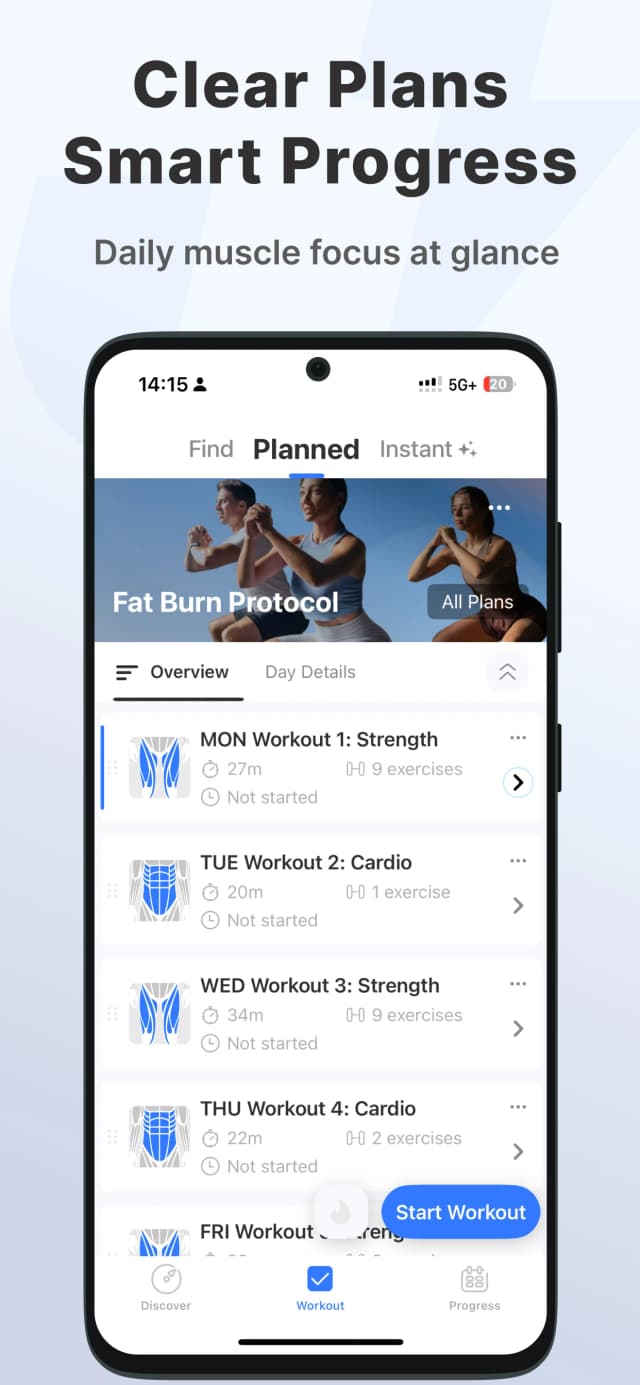
The free app that grows from your first push-up to a full barbell program.
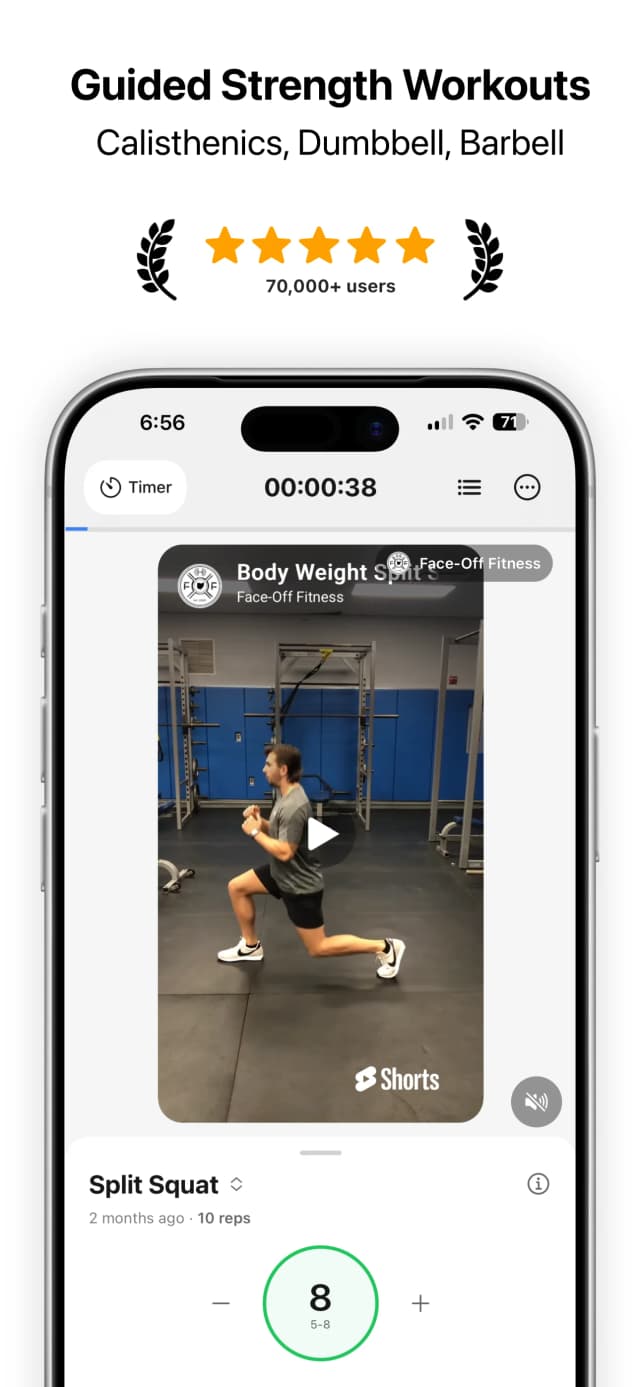
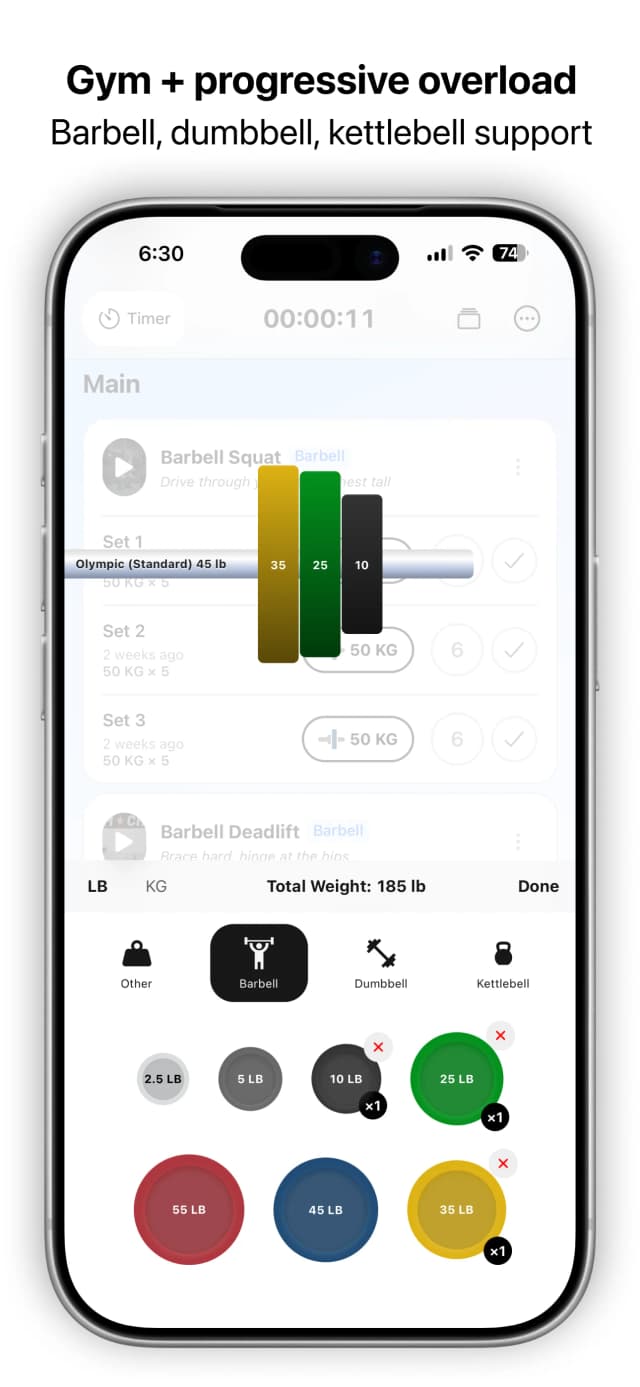
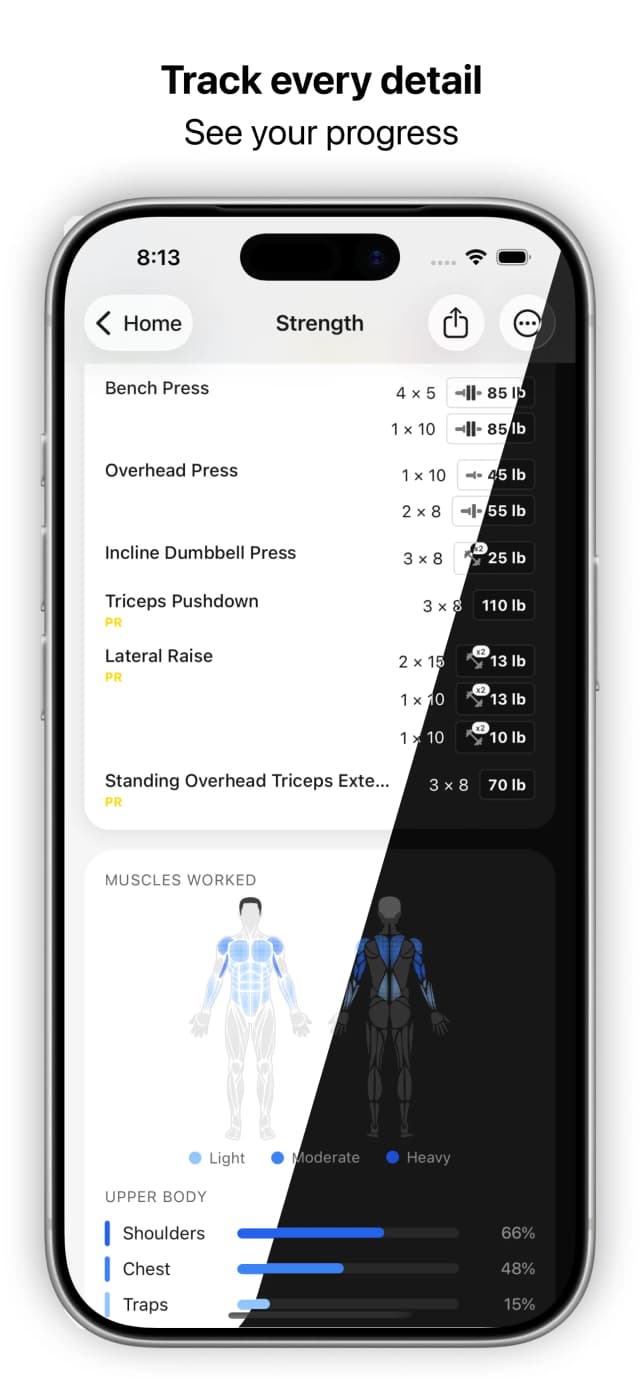
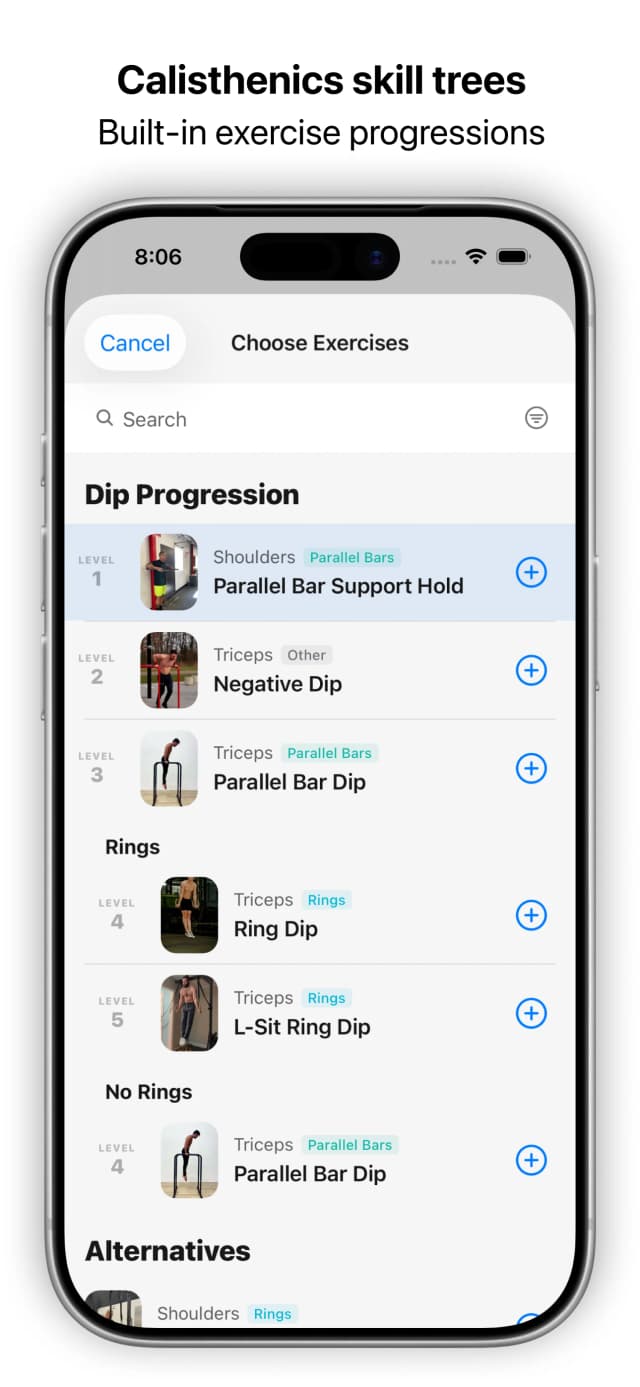
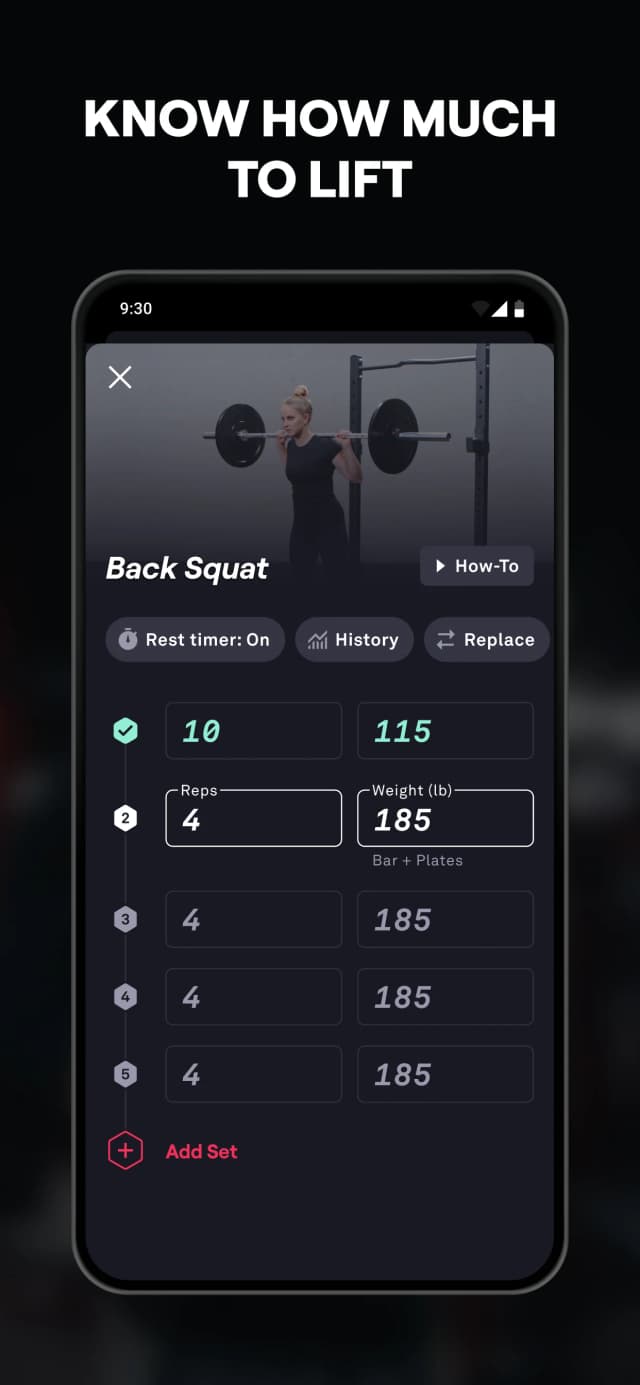
Fitloop ships 5×5, 5/3/1, GZCLP, and PPL free, shows your last session's numbers on every set so each one is a target, and is the only strength app that treats bodyweight strength — dips, pull-ups, pistol squats — as a first-class progression path alongside the barbell.
Pros & Cons
Pros
- Beginner Calisthenics, the Reddit RR, 5×5 and 5/3/1 are all free
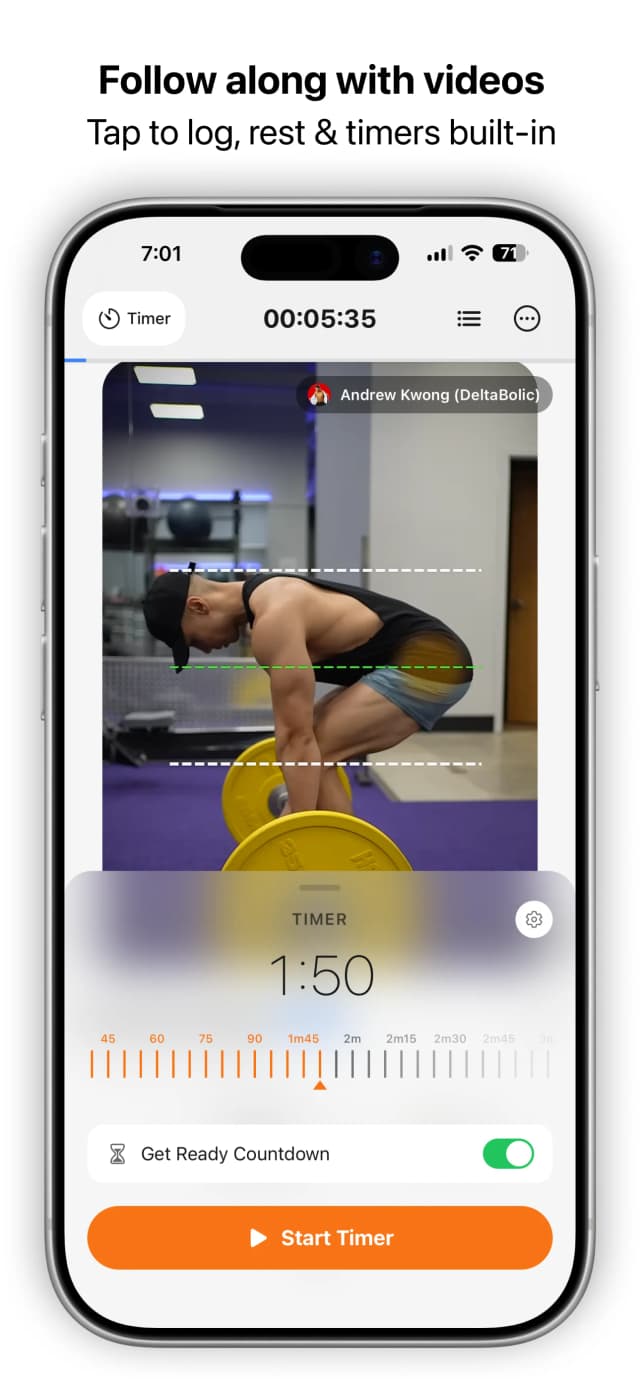
- Form video on nearly every exercise, inside the workout
- Bodyweight and weighted training in one logger, with last session's numbers on every set
- No ads and no caps on routines or history
- Progression ladders keep bodyweight training hard for years
Cons
- The AI-built plan and AI coach need Fitloop+
- Form videos are short clips, not follow-along classes
- No social feed
Pricing: Free forever, no ads | $9.99/mo, $49.99/yr, or $199.99 lifetime

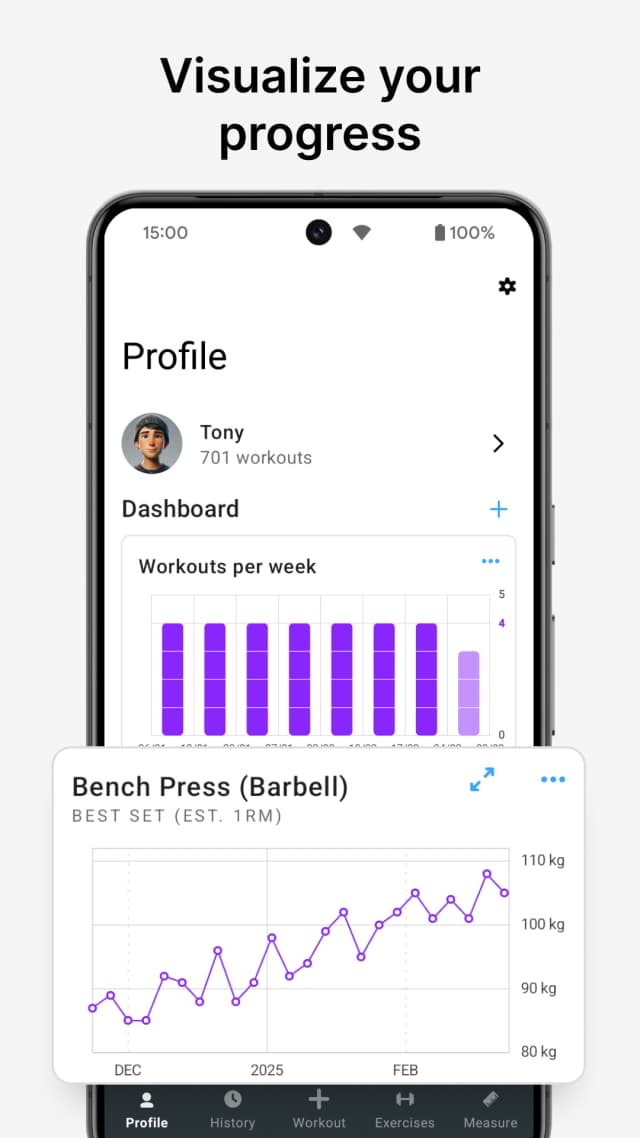
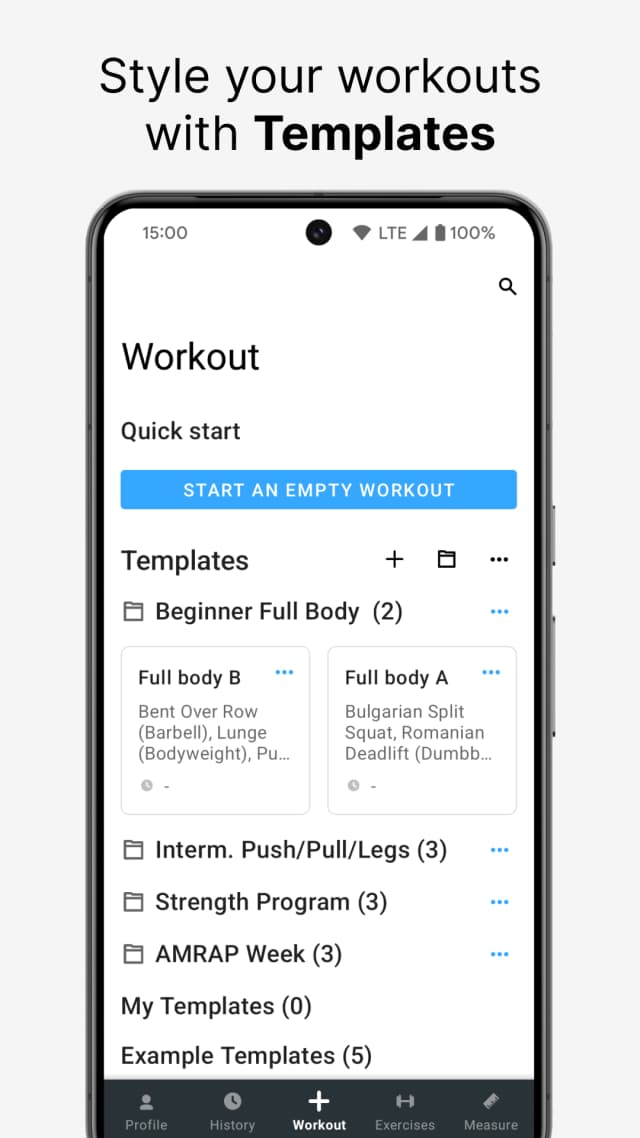
Simple, fast workout logging
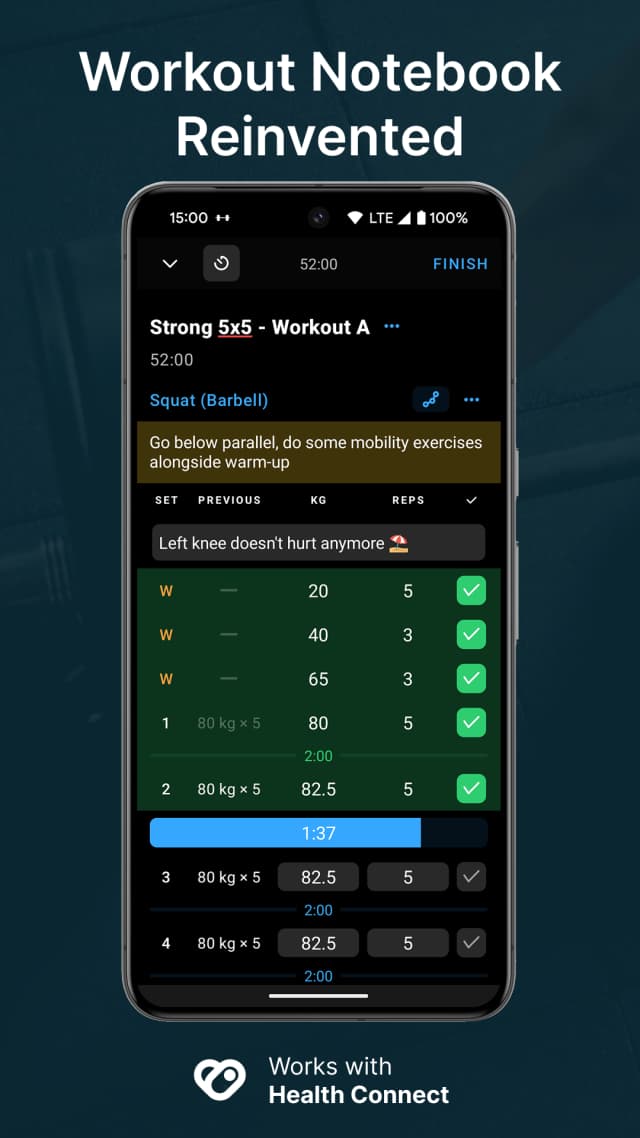
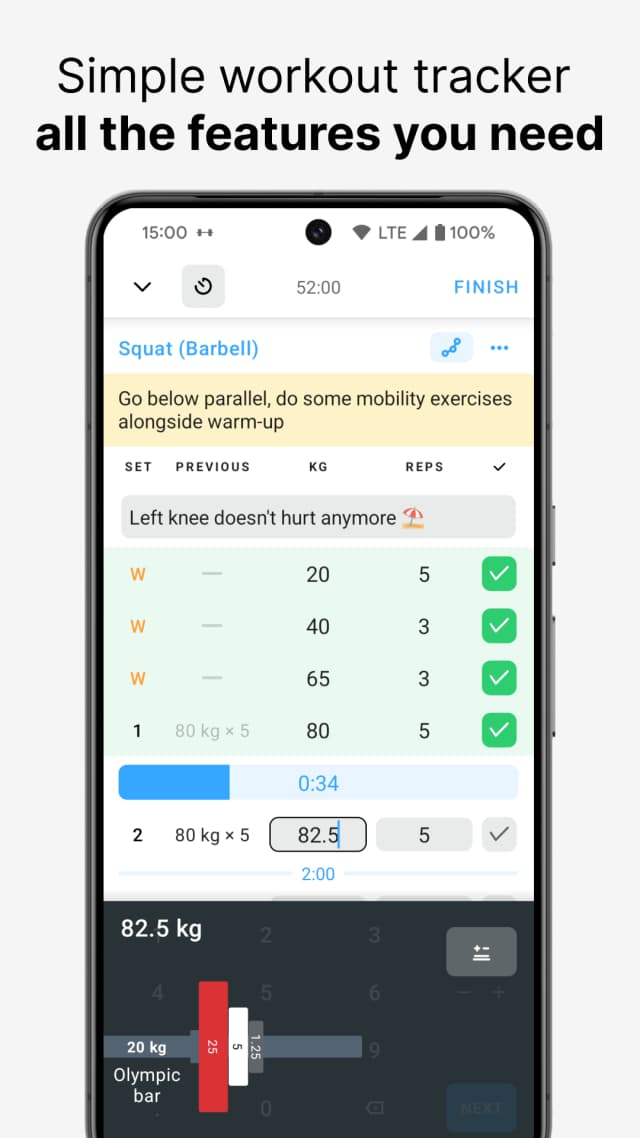
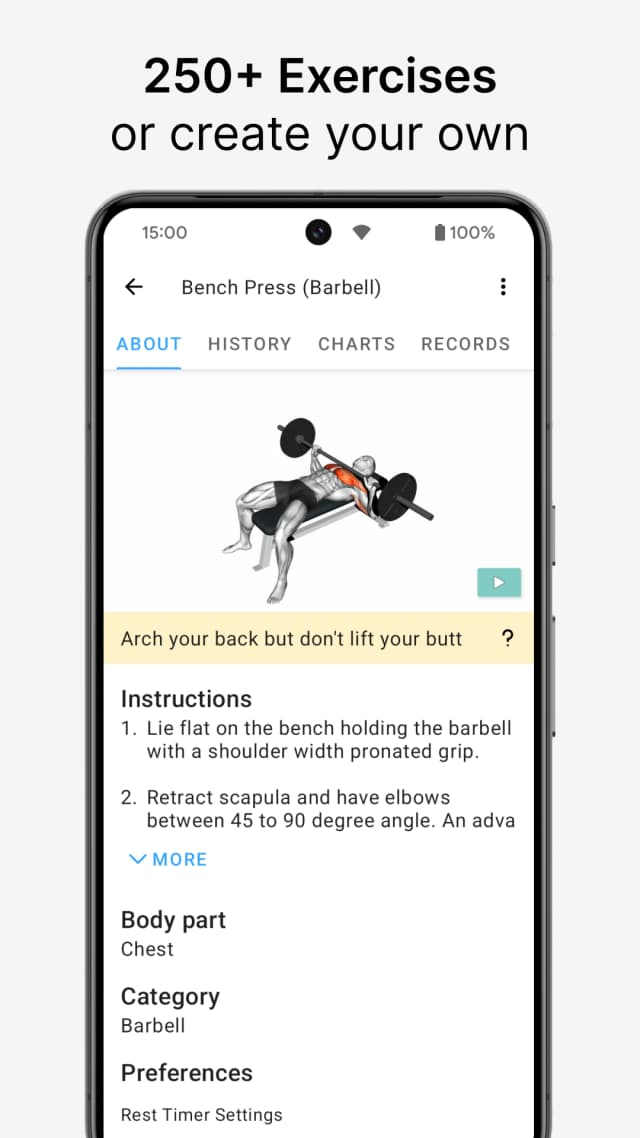
Strong is the classic barbell logbook: fast set entry, 1RM estimates, and a Pro-tier plate calculator. You bring the program (the free tier caps at 3 routines and none are included) — it keeps the numbers.
Pros & Cons
Pros
- Fast, minimal logging
- Reliable
- 12 years refined
Cons
- Free tier caps you at 3 routines
- No built-in programs or progressions
- No bodyweight progression ladders
- No AI coaching or workout generation
Pricing: Unlimited logging, 3-routine cap | Pro $4.99/mo or $29.99/yr

Reddit's favorite workout programs
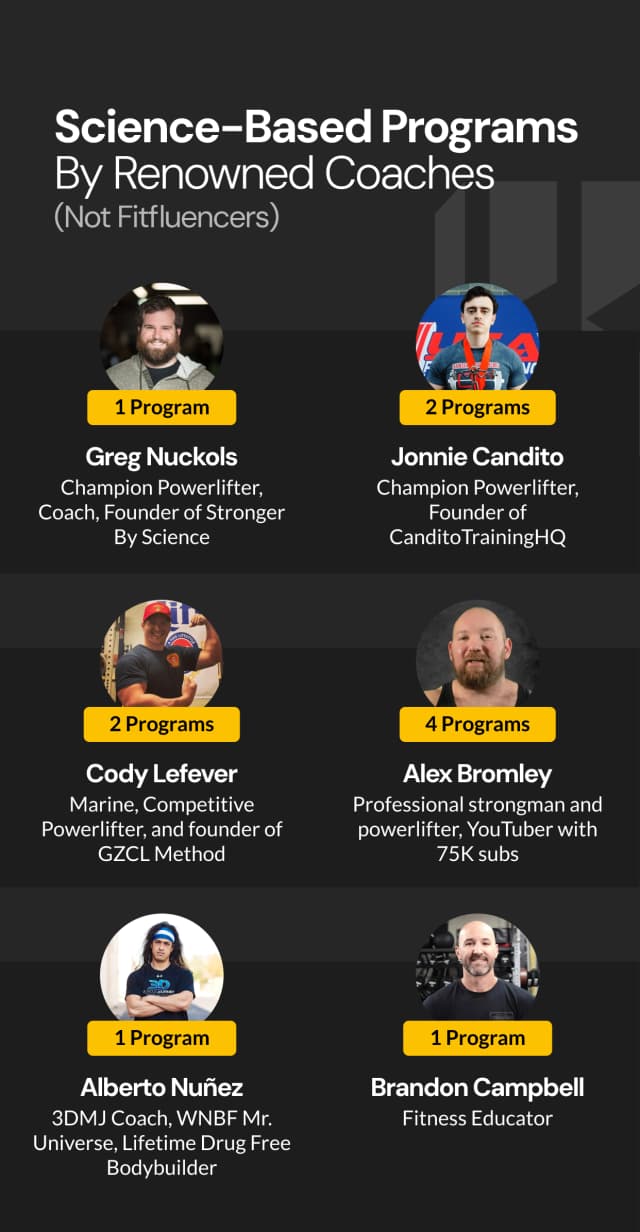
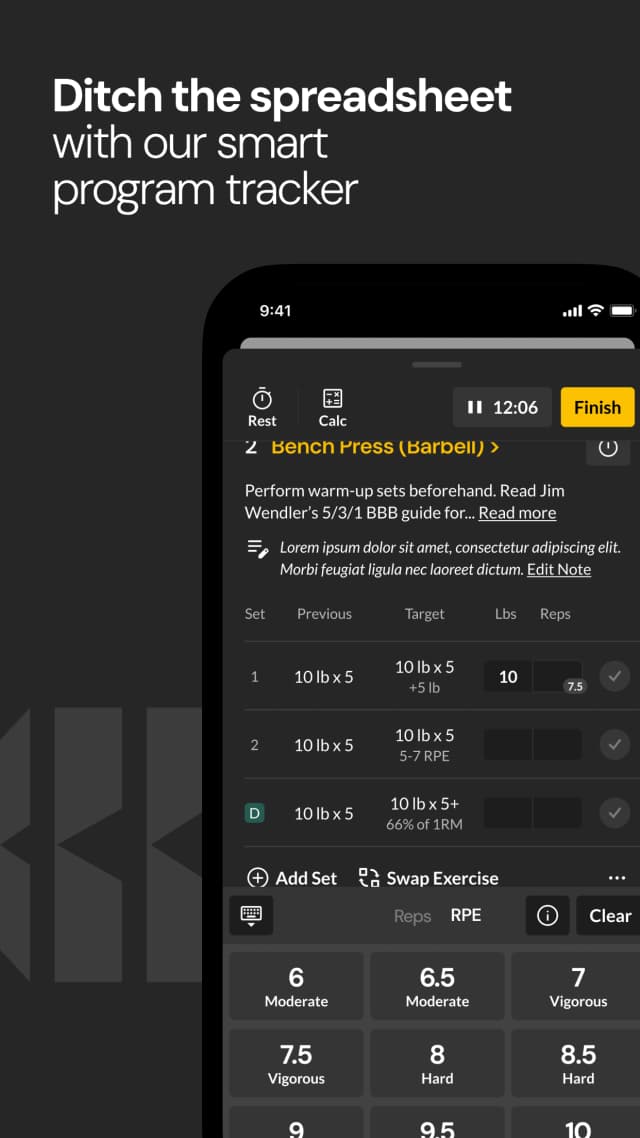
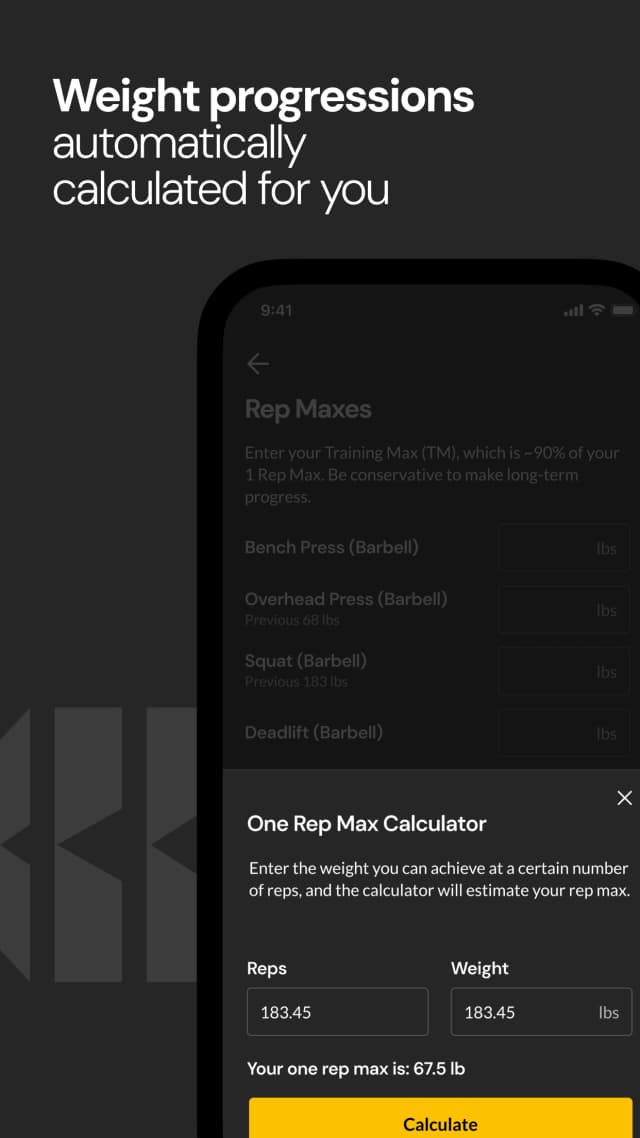
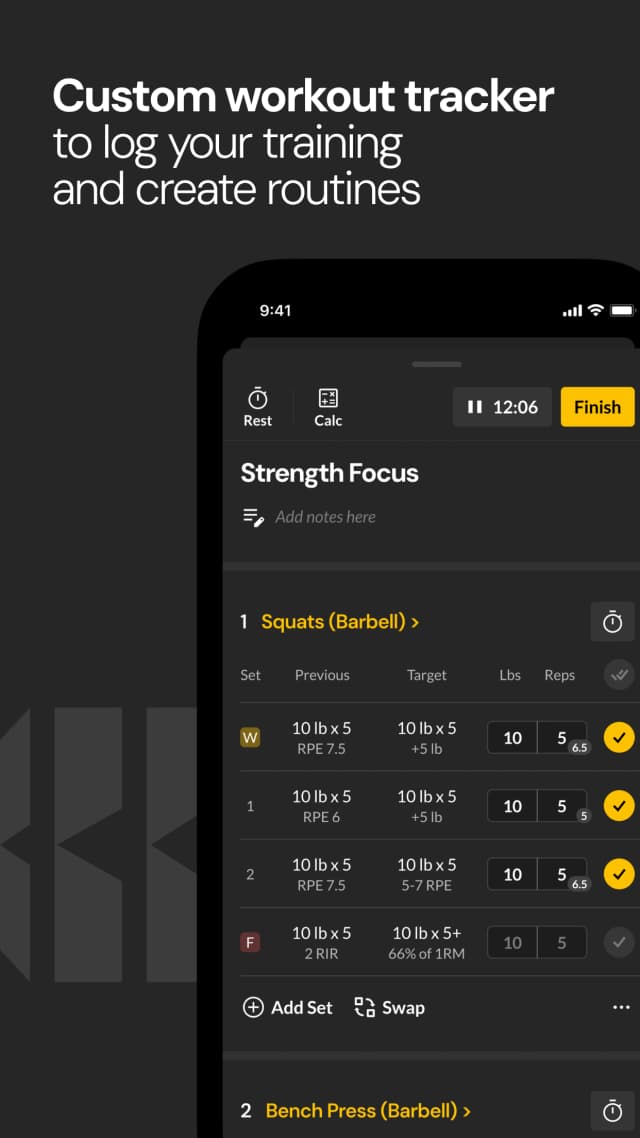
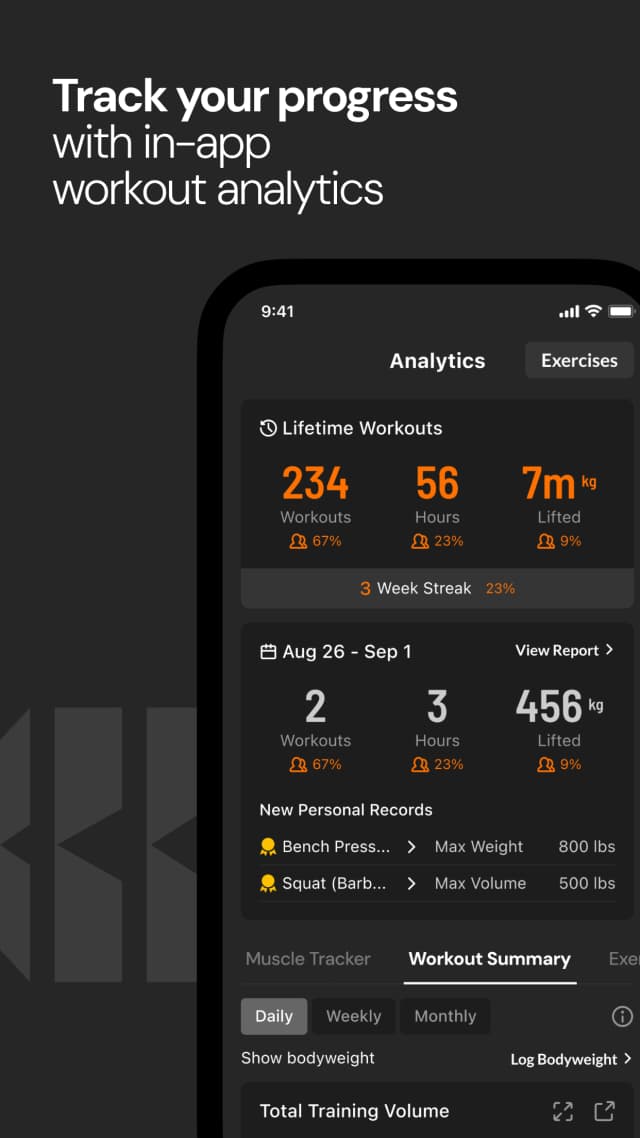
Boostcamp's library of community-proven strength programs (nSuns, GZCLP, Reddit PPL, 5/3/1 variants) is the deepest anywhere, with tracking built around each program's structure. Custom programming outside the library is weaker.
Pros & Cons
Pros
- Big free program library
- RPE and 1RM-based programs
- Good for intermediates
Cons
- Barbell-first — no bodyweight progression ladders
- Strength Score and analytics are Pro
- Less suited to complete beginners
Pricing: Most programs free | Pro $14.99/mo or $59.99/yr
 4
4Hevy
Best for Training With FriendsSocial workout tracking
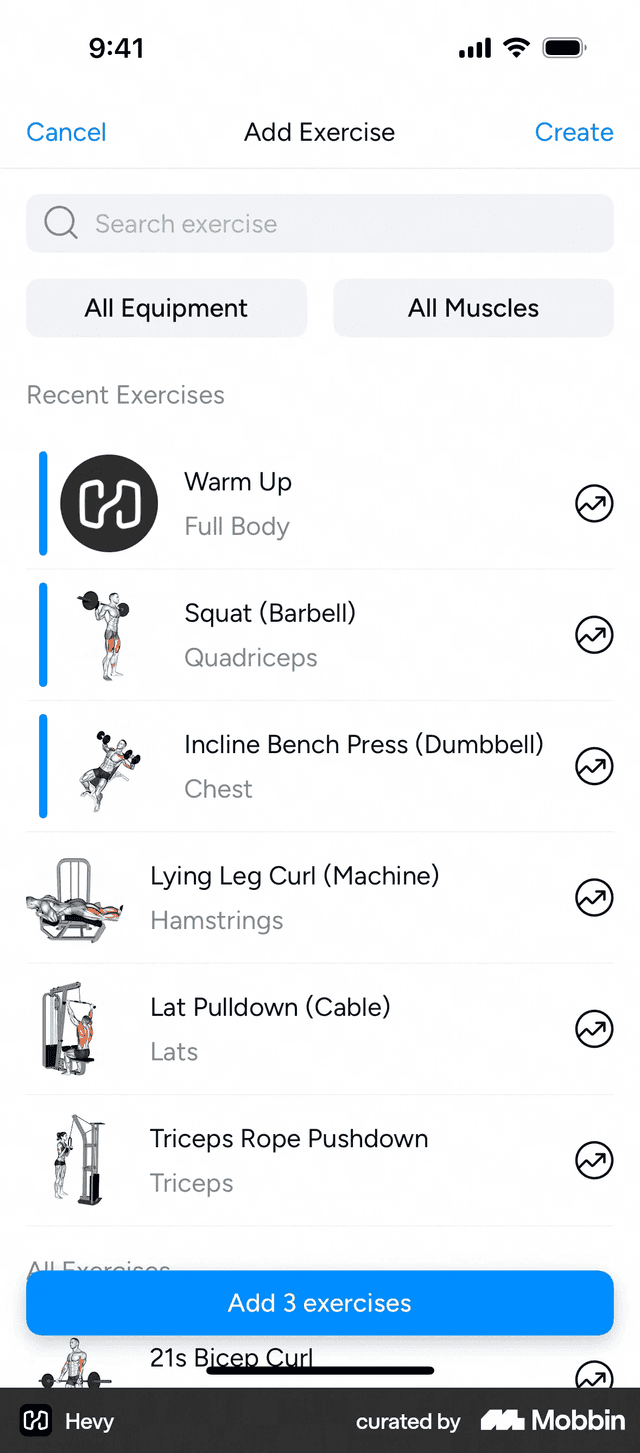
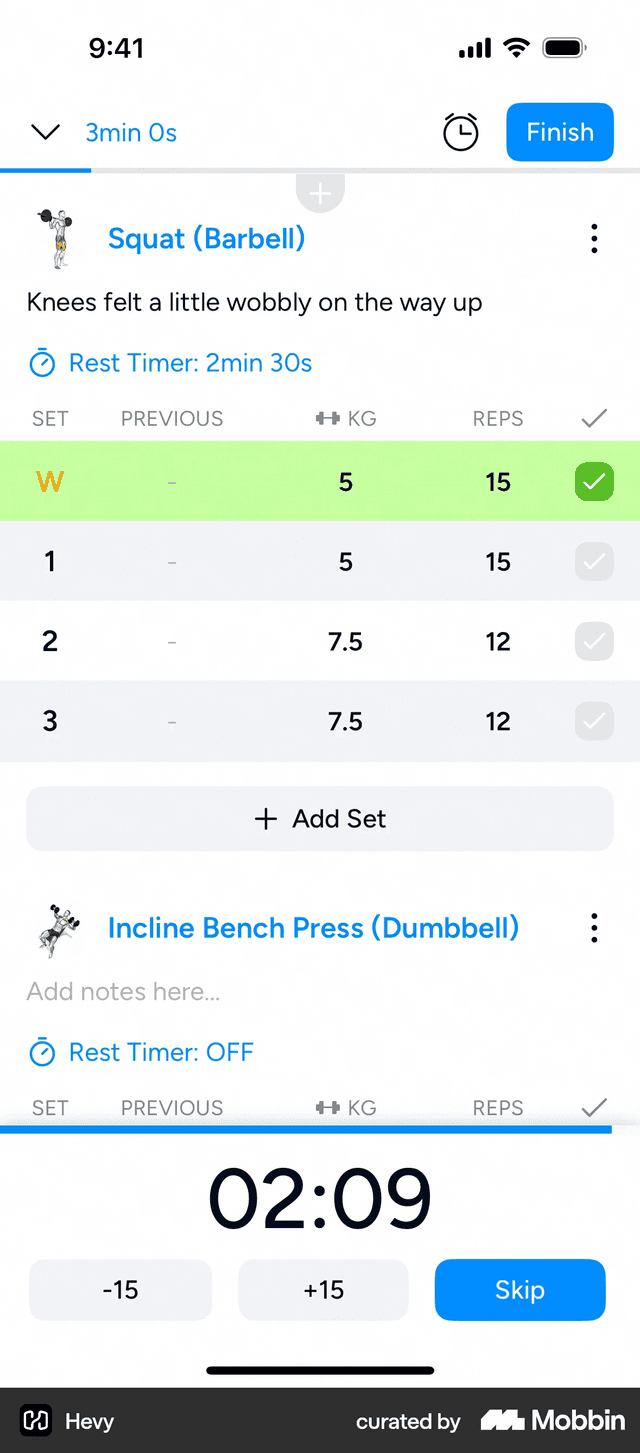
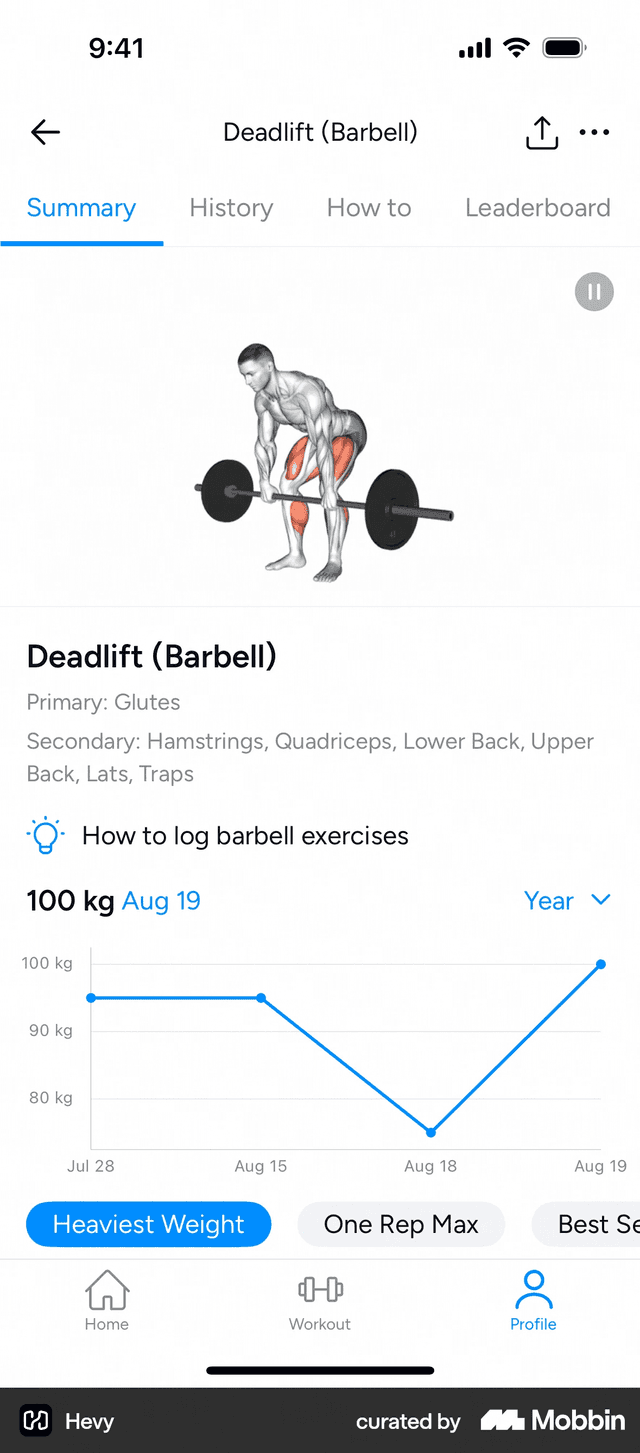
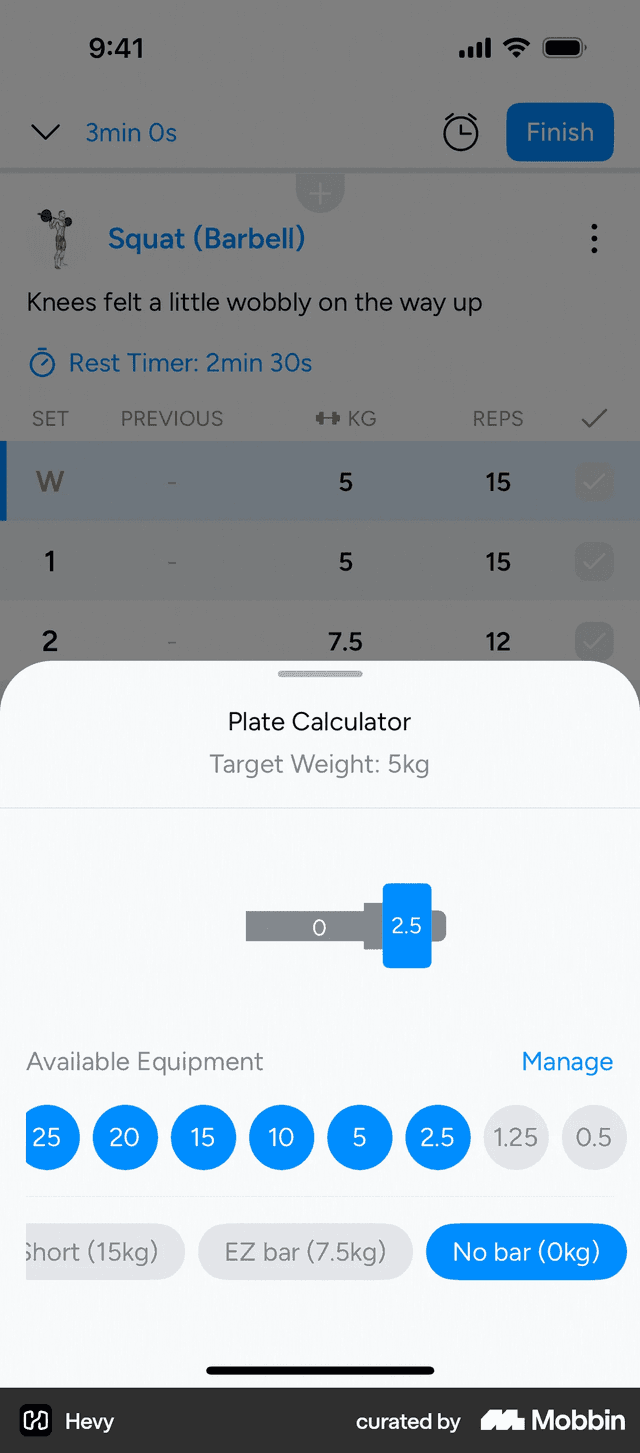
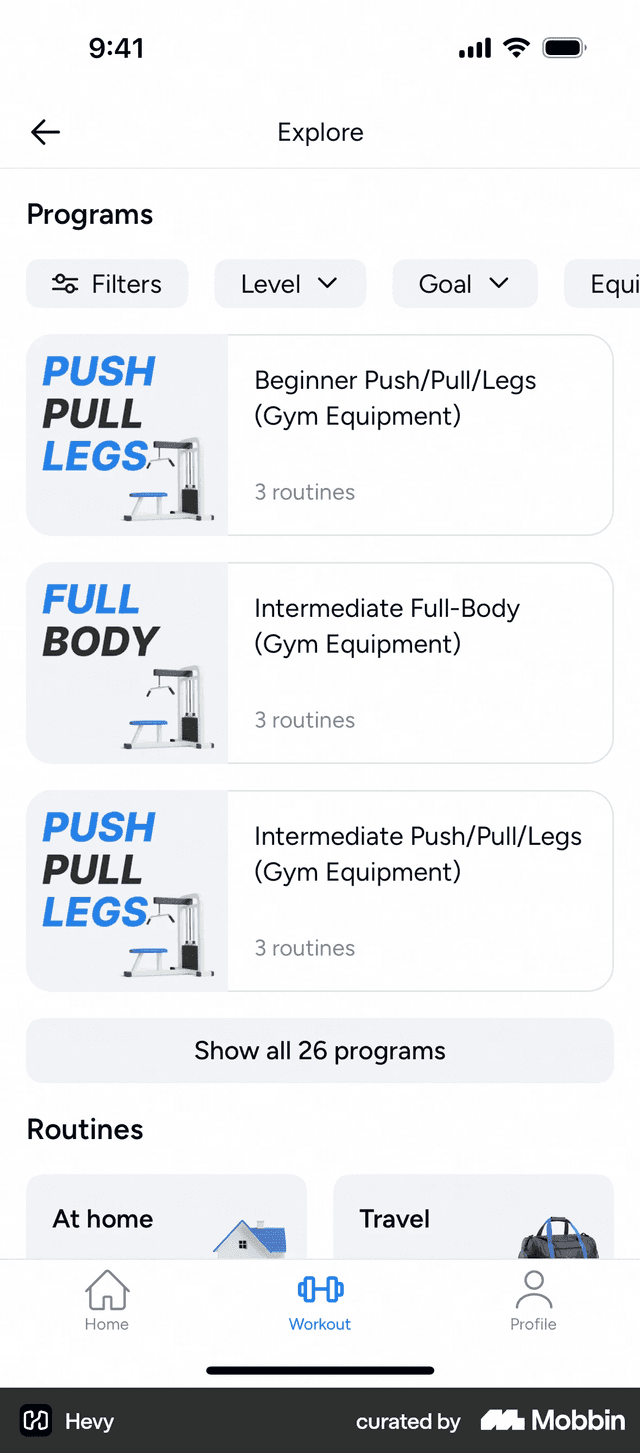
Hevy logs strength work cleanly and adds a social layer — follow training partners, share PRs, fork routines. Its free tier caps you at 4 routines, and program generation (Hevy Trainer) is Pro.
Pros & Cons
Pros
- Fast, clean logging
- Social feed
- Affordable Pro
Cons
- Free tier caps: 4 routines, 7 custom exercises, 3 months of charts
- Program generation (Hevy Trainer) is Pro-only
- No bodyweight progression ladders
Pricing: Unlimited logging; 4 routines, 7 custom exercises | Pro $2.99/mo or $23.99/yr

Comprehensive workout database
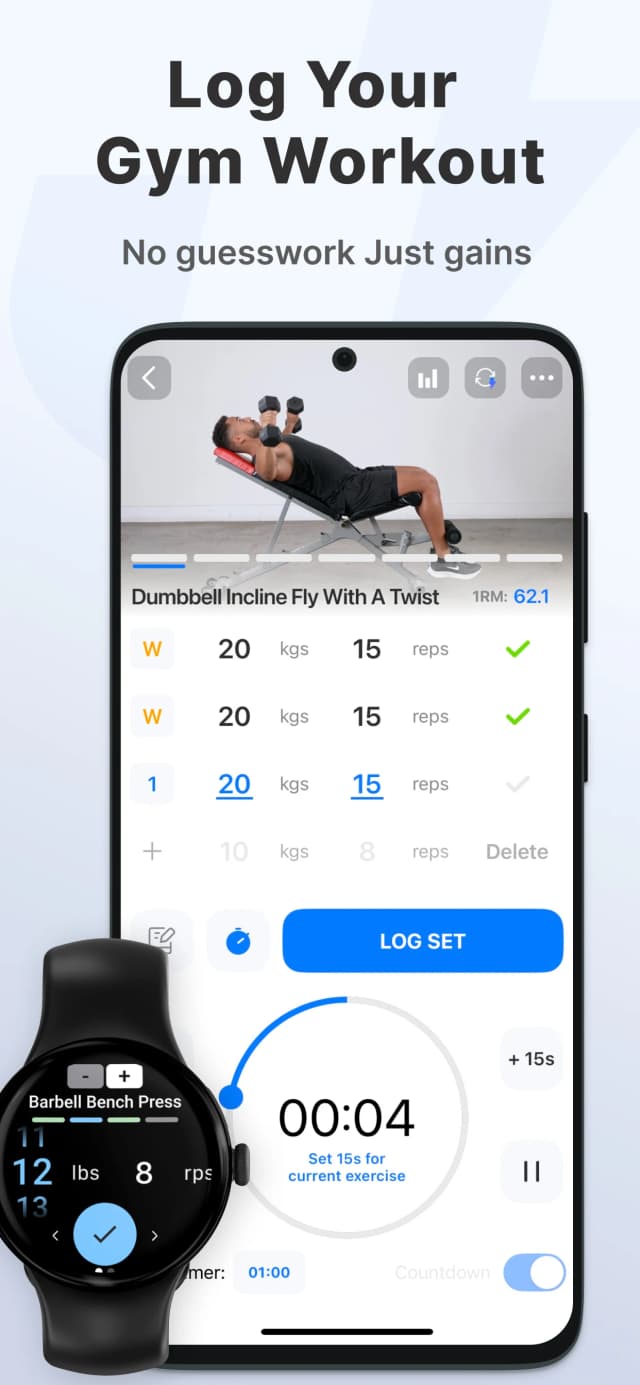
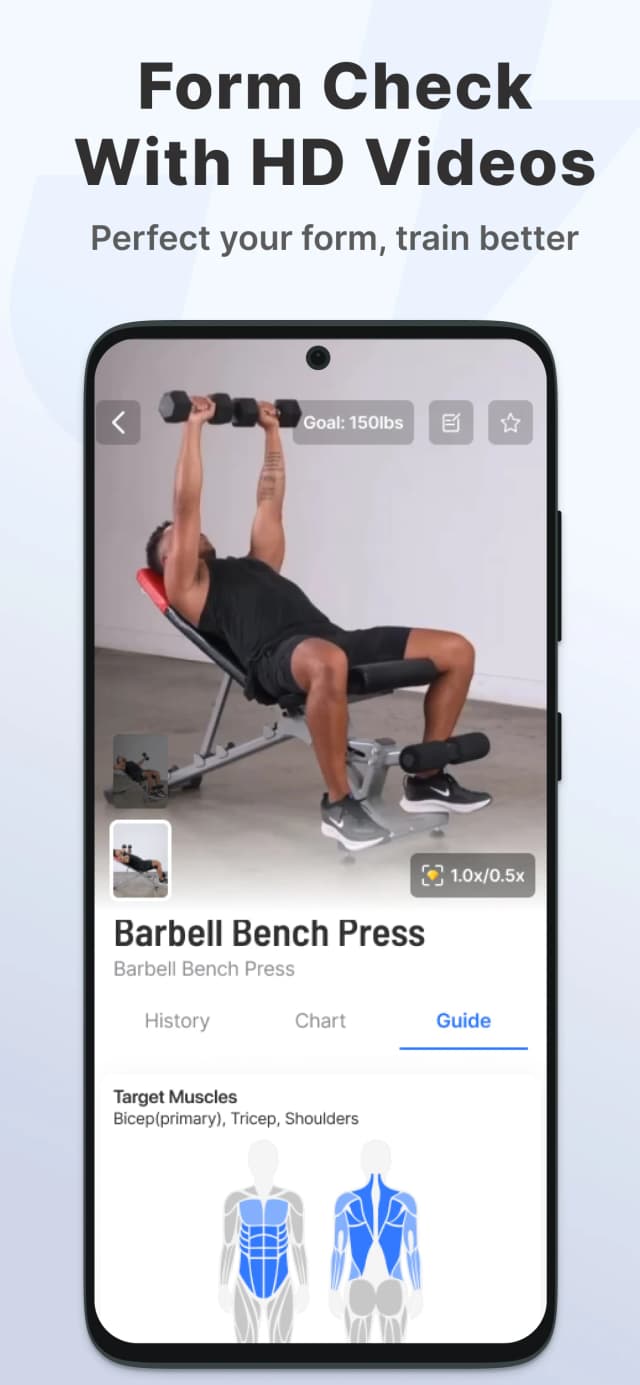
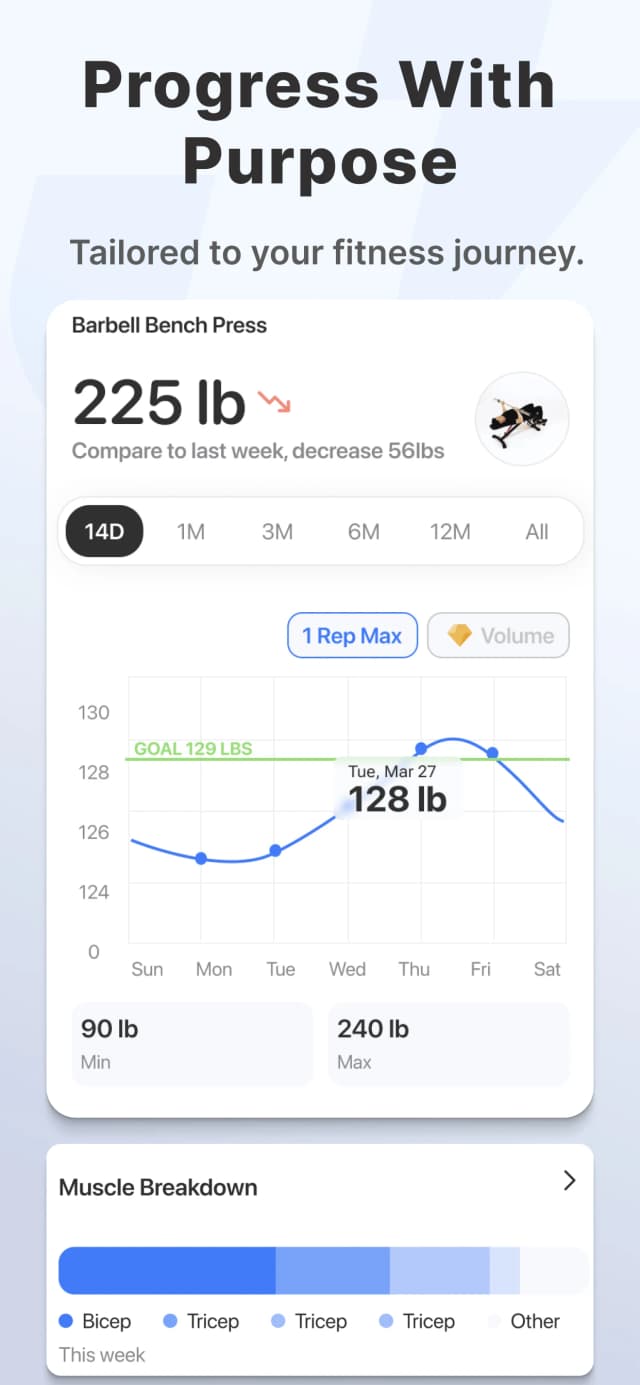
JEFIT covers every machine, cable, and barbell variation with 1,400+ video-backed exercises and solid logging. Programming support is thin and the UI shows its age.
Pros & Cons
Pros
- Huge exercise library
- Active community
- Detailed analytics
Cons
- Dated interface
- Steep learning curve
- Cluttered UI
Pricing: Ads, basic features | Elite $12.99/mo or $69.99/yr

AI-powered personalized workouts
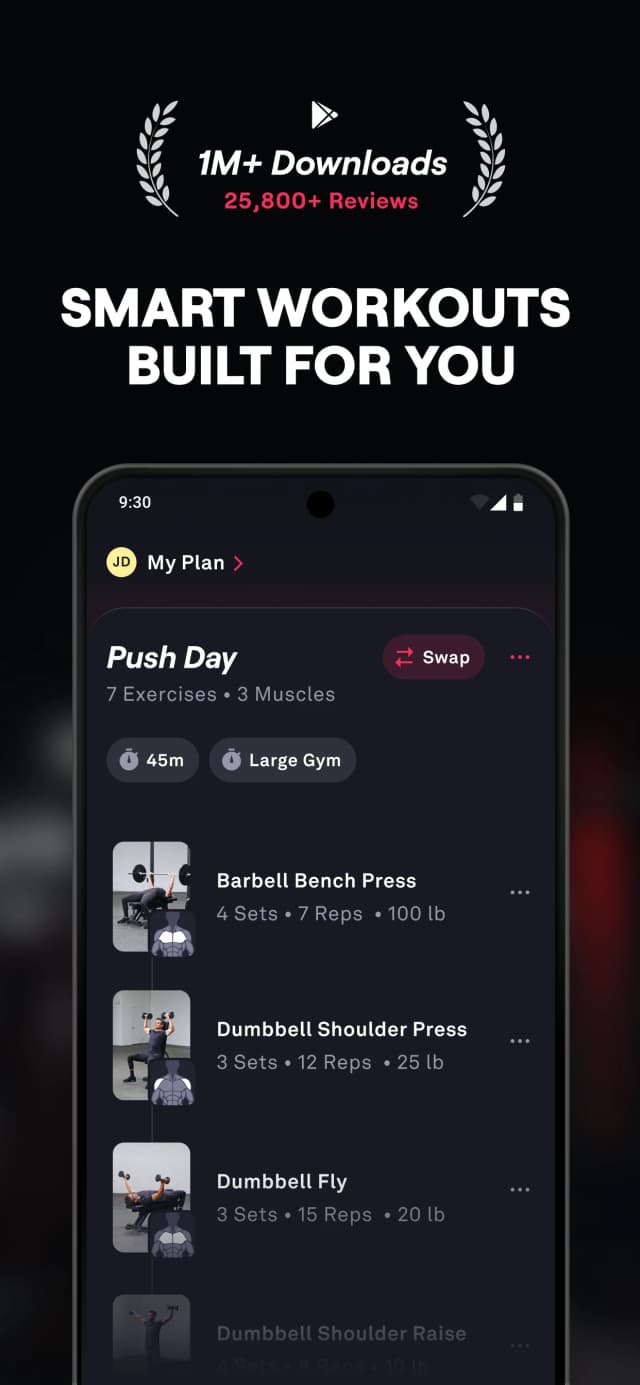
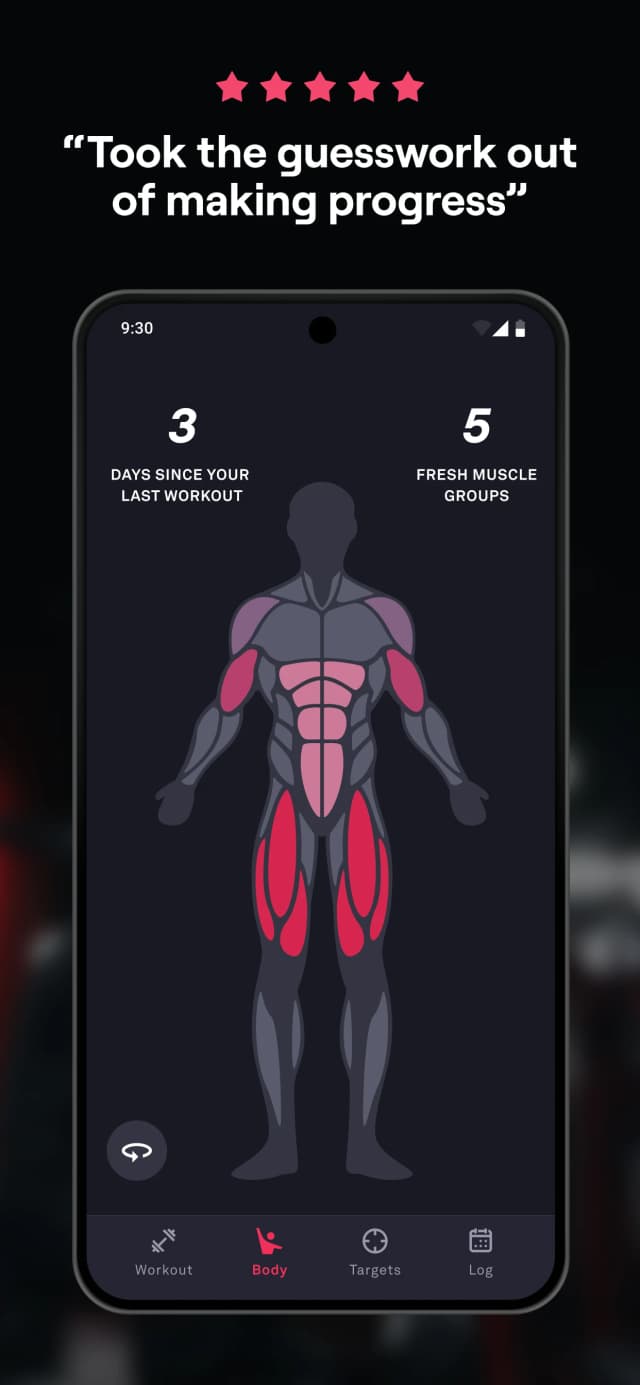
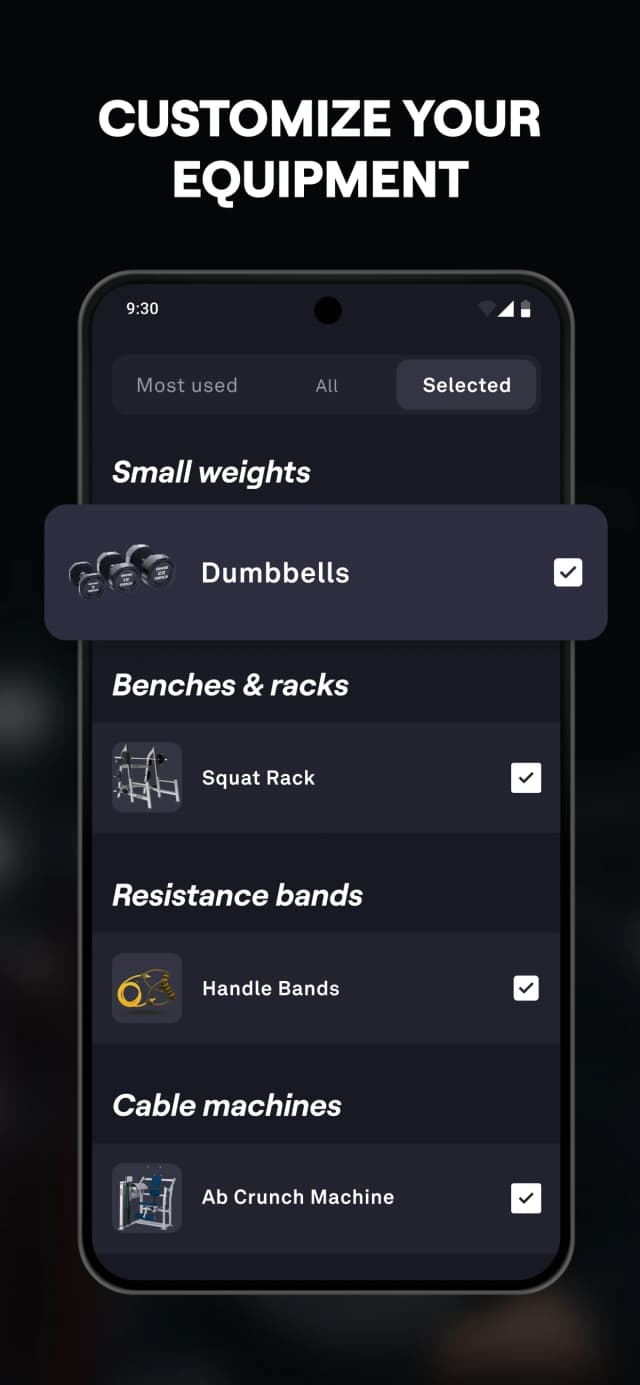
Fitbod generates strength sessions from your equipment and recovery state — useful for machine-heavy commercial-gym training. It won't run classic linear-progression programs like 5×5, which is how most lifters should build their base.
Pros & Cons
Pros
- Smart recommendations
- Adapts to equipment
- Great for travel
- Apple Watch app
Cons
- AI can feel generic over time
- No live classes
- Expensive
- Limited wearable integration
Pricing: 7-day trial | $15.99/mo or $95.99/yr
Frequently Asked Questions
What's the best free strength training app?
Fitloop — 5×5, 5/3/1, GZCLP, and PPL are built in free, with last session's numbers on every set. Boostcamp's free program library is the strongest alternative if you want maximum program variety.
Which app is best for StrongLifts 5×5 or 5/3/1?
Fitloop has both built in free (Strong 5x5 and 5/3/1 for Beginners), with your last session's numbers on every set. Boostcamp carries 5/3/1 variants free as well.
Can I do strength training without a barbell?
Yes. Bodyweight strength work — weighted dips, pull-ups, pistol squats, handstand push-ups — builds comparable strength through progressive difficulty instead of added load. Fitloop's progression ladders are built for exactly this, and dumbbell programs like Dumbbell PPL cover the middle ground.
How do these apps track progressive overload?
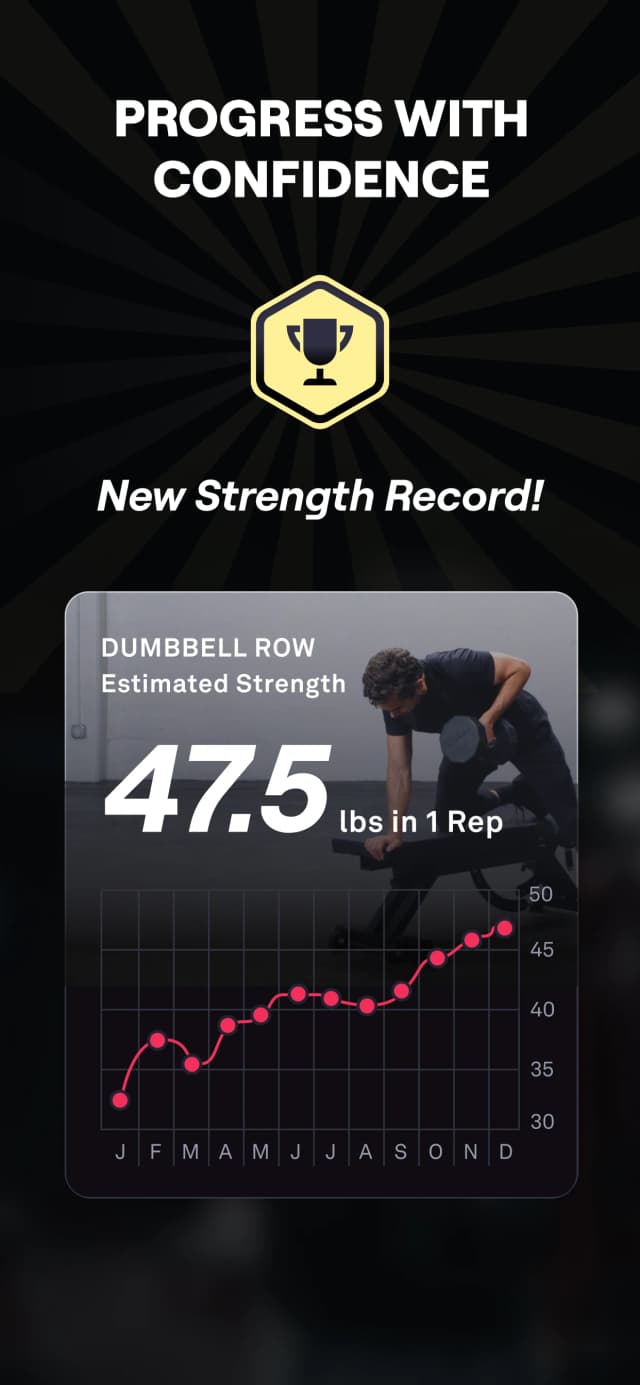
Fitloop shows last session's weights and reps inline as you log, so progression is always in front of you. Strong and Hevy chart your history and estimated 1RMs. Boostcamp follows each program's own progression rules.
Strength training vs hypertrophy — do I need different apps?
No — the same apps handle both; the difference is programming (lower reps and longer rests for strength, moderate reps closer to failure for hypertrophy). Fitloop's AI can generate either, and its built-in programs span both goals.
Try Fitloop Free
The highest-rated strength training app in our tests. Free forever, no ads.